
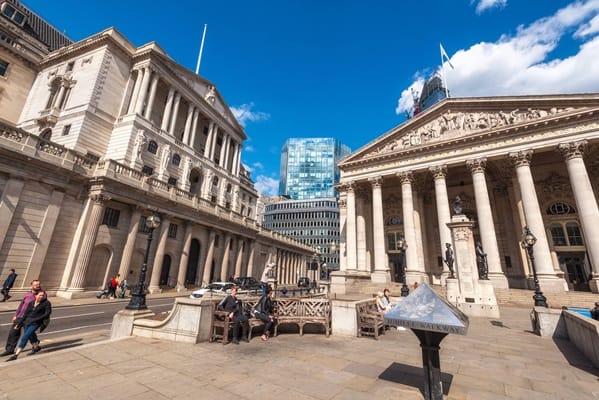
Andrew Bailey warns Britain’s biggest economic challenge is weak growth as incoming Prime Minister Andy Burnham inherits a sluggish economy, rising costs and global uncertainty
Andy Burnham will walk into Downing Street facing an immediate economic battle after the Bank of England Governor delivered a stark warning over Britain’s lack of growth.
Andrew Bailey told MPs that boosting economic expansion must become the new Government’s top priority, warning the UK has struggled with weak growth for almost two decades.
Appearing before the Treasury Committee, the Governor said: “The big issue is growth in the economy.”
Mr Bailey stressed that the problem was not caused by one particular government, but represented a deeper structural weakness that had built up over 16 to 17 years. “This is not a story about any one government… but I think it’s important because it’s a critical structural issue.”
His warning comes as Mr Burnham prepares to become Britain’s next Prime Minister after winning overwhelming backing from Labour MPs.
The former Greater Manchester mayor has secured support from more than 85 per cent of Labour MPs, putting him on course to enter Downing Street as early as next week.
The Bank Governor’s comments come ahead of the latest economic figures from the Office for National Statistics. Economists at Deutsche Bank expect the data to show the economy contracted by 0.1 per cent in May — following a similar fall in April. A second consecutive monthly decline would raise fresh concerns about Britain’s economic momentum.
The April slowdown was driven largely by weakness in the services sector, which makes up the majority of the UK economy. Deutsche Bank’s UK economist Sanjay Raja said activity remained “sluggish” across areas including professional services, finance and property.
Britain’s economic problems have also been worsened by the fallout from the US, Israel and Iran conflict.
Higher fuel and energy costs have squeezed households and businesses, adding to inflation pressures.
Chancellor Rachel Reeves acknowledged the domestic impact, saying: “It was not a war we wanted or joined, but one that will have an impact at home.”
Ministers have warned the economic consequences could continue for months even after any ceasefire.
Food industry leaders have also cautioned that supermarket prices could rise by as much as 10 per cent later this year as higher costs filter through supply chains.
Mr Bailey pushed back against suggestions that financial regulations were holding back growth, arguing that a stable financial system was essential for investment. “We will not get growth if we don’t have financial stability.”
He said Britain’s financial sector had shown resilience despite wider economic challenges. Despite the gloomy outlook, there are signs of potential recovery. Mr Raja said it was “not all bad news”, pointing to stronger retail demand as warmer weather boosted sales of outdoor furniture and fans.
England’s progress in the World Cup could also provide a boost, with pubs and hospitality businesses hoping for increased trade. But for Andy Burnham, the message from Threadneedle Street is clear.
The new Prime Minister will inherit an economy crying out for a growth strategy — and the Bank of England has warned that fixing Britain’s long-term stagnation cannot wait.


Leave a Comment