
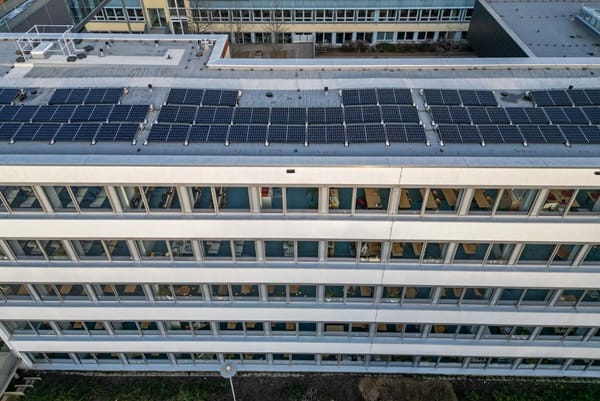
London is one of the most competitive cities in the UK, so for businesses here, solar power isn’t just about improving sustainability – it’s also about gaining a competitive advantage. From reducing overheads and grid reliance to boosting reputation, installing solar panels has many benefits. As a result, it has become a popular strategic move for many companies within the region.
That being said, not all businesses will actually benefit from commercial solar panel installations in London. Suitability, energy consumption, and the time at which demand is at its highest can all have an impact on this investment’s financial returns.
So, let’s examine which businesses are best positioned to benefit from on-site energy generation.
Large commercial roofs
Roof capacity, structure, and orientation all play a major role in how worthwhile solar panels are. If the roof lacks space or there’s multiple obstructions, it may be difficult to install enough solar panels to meet the energy demands of the building. Because of this, warehouses and manufacturing plants are typically the best candidates for solar panels, thanks to their large, flat, unobstructed roofs.
For older buildings, it’s not just the roof design that needs to be assessed prior to installation, but the structural loading, too. The roof must be able to safely support the weight of the entire PV system and any additional weight from maintenance teams.
If there are tall surrounding buildings that cast a shadow over the roof throughout the day, panel position and overall generation could also be affected.
Electricity-intensive operations, provided demand is highest during the day
The more energy used, the more money is saved and the faster you will see returns on your investment. However, it’s not just about how much energy is used, it’s also about when it’s used most.
Some businesses may use a significant amount of electricity, but if this is outside of daylight hours, the payback period could be considerably longer.
The ideal business will use a substantial amount of energy during the day. This way, they can make the most out of their panels, cut down on expensive electricity purchased from their supplier, and protect themselves against grid price volatility.
The importance of assessing payback periods and long-term energy costs
Before investing in a commercial solar panel system, businesses should consider the expected payback period and long-term energy costs. Installing solar panels is a significant upfront investment, but for energy-intensive businesses that mostly operate during daylight hours, it can be worth the initial expense.
However, the payback period is dependent on several factors, such as system size, electricity usage, available roof space, and installation costs. Because of this, businesses need to consider more than just the upfront cost of installation, but also the expected long-term energy savings.
The businesses in London that will benefit most from solar power
Ultimately, the businesses that have a suitable roof and high daytime energy demands are the ones that will benefit the most financially from the installation of commercial solar panels.


Leave a Comment