
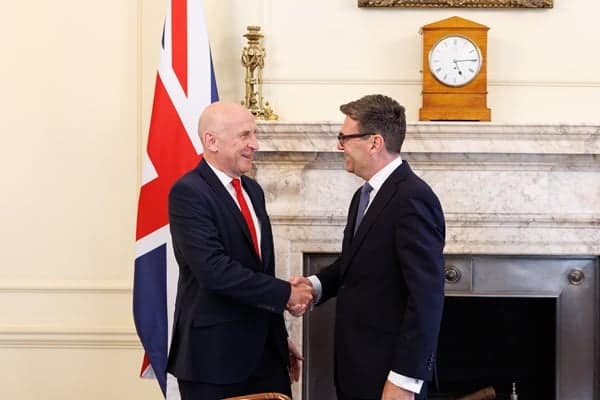
Prime Minister Andy Burnham’s growing list of spending commitments could cost the Treasury as much as £63 billion by the end of the decade, piling fresh pressure on Chancellor John Healey as economists warn financial markets may have little appetite for significantly higher borrowing.
Analysis by Capital Economics estimates the Government’s recent pledges could require between £46 billion and £63 billion of additional spending by 2030 – equivalent to around 1.5% to 2% of GDP.
The findings highlight the scale of the fiscal challenge facing the new Government just weeks before its first Autumn Budget, with ministers attempting to balance ambitious spending promises against already strained public finances.
Among the biggest commitments is Mr Burnham’s pledge to overhaul England’s social care system, which some estimates suggest could require an additional £18 billion of annual spending once fully implemented.
The Prime Minister this week described years of neglect as “shameful” and pledged to accelerate reform, although he stopped short of explaining how it would ultimately be funded.
Asked whether tax rises could be required, Mr Burnham said he remained committed to Labour’s manifesto while acknowledging ministers would need to make “difficult decisions.
Housing is another major pressure point.
The Government has pledged to increase council house construction to levels not seen since before the Second World War, a policy Capital Economics estimates could cost between £12 billion and £23 billion.
Defence spending also presents a growing fiscal challenge.
Chancellor John Healey, who previously resigned as Defence Secretary over concerns about military funding, is expected to find around £11 billion if the Government is to reach spending equivalent to 3% of GDP.
Although Mr Burnham has reiterated support for NATO’s longer-term target of allies spending 5% of GDP by 2035, he has so far avoided committing to a specific timetable for reaching the 3% milestone.
The analysis comes amid mounting concern over Britain’s fiscal position.
Economists have warned that government borrowing costs remain elevated and that investors in the gilt market may have limited tolerance for a substantial increase in debt-funded spending.
The warning echoes the difficulties faced by former Chancellor Rachel Reeves, whose Budgets raised around £65 billion in additional taxes while drawing criticism from businesses over their impact on investment and employment.
With social care, housing, defence and cost-of-living support all competing for funding, Mr Healey faces the prospect of difficult choices between higher taxes, spending cuts elsewhere or testing the confidence of financial markets.
The Autumn Budget is now shaping up to be the first major test of whether the Burnham Government can reconcile its policy ambitions with the realities of Britain’s public finances.


Leave a Comment