
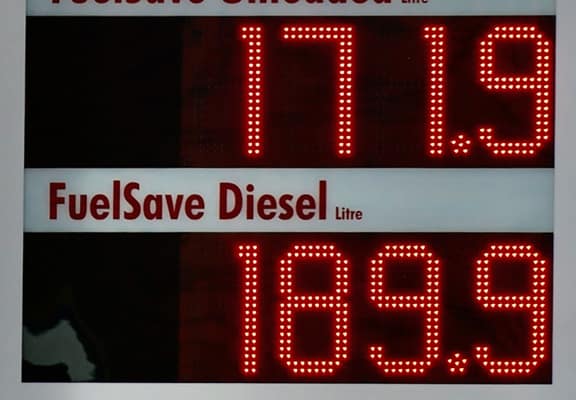
Andy Burnham’s early push to ease household costs has been welcomed by commuters but has triggered fresh demands for wider action as millions of drivers continue to face rising fuel bills.
The new Prime Minister announced the return of the £2 cap on single bus fares outside London from January, committing an additional £400 million to keep everyday travel affordable.
The policy marks Burnham’s second major cost-of-living intervention since entering Downing Street, as he attempts to establish his government as one focused on reducing pressure on working households.
Burnham said no one should be priced out of travelling, arguing that affordable transport was central to his ambition of creating a country that works “for everyone, everywhere”.
Transport Secretary Heidi Alexander said the measure would make daily journeys “easier and cheaper” for millions of passengers.
But the announcement has immediately intensified pressure on the government to go further, particularly as petrol and diesel prices remain elevated following renewed turmoil in global energy markets.
The Liberal Democrats welcomed the reversal of the current £3 fare cap but accused Burnham of ignoring motorists struggling with rising costs.
Bobby Dean, the party’s transport spokesman, said the bus cap was “a relief” but argued the government was still leaving millions behind.
He called for a package of emergency measures including a national £1 bus fare cap, a 10 per cent cut to rail fares and a 10p-per-litre reduction in fuel duty.
“Bus routes are the backbone of economic activity in communities across our country,” Dean said, warning that rural areas with limited public transport risked being forgotten.
The political pressure comes as drivers face another squeeze at the pumps.
Average petrol prices currently stand at around 153.46p per litre, while diesel has climbed to approximately 168.55p, according to industry figures. The RAC has warned prices could rise further, with diesel potentially reaching 174p per litre as crude oil markets react to escalating Middle East tensions.
Brent crude has surged towards $94 a barrel, increasing fears that higher energy costs could feed into inflation and household budgets.
A 10p fuel duty cut, as proposed by the Liberal Democrats, would take prices back towards levels last seen in March, before the latest energy shock intensified.
The government is already facing criticism over the planned increase in fuel duty, which is scheduled to rise by 3p per litre in January after previous measures shielded motorists from sharper increases earlier this year.
For Burnham, the transport announcement offers a politically attractive first step: a visible measure that directly affects millions of voters. But the challenge is whether cheaper bus fares will be enough to offset the wider squeeze facing drivers, commuters and businesses as energy markets remain volatile.
The battle over the cost of getting around Britain may become one of the first tests of whether Burnham’s promise of economic relief can survive the realities of global markets.


Leave a Comment