
Britain’s inflation crisis could ease sooner than previously predicted, with the International Monetary Fund forecasting that price rises will return to the 2 per cent target by mid-2027.
The IMF said UK inflation is now expected to cool more quickly than it predicted earlier this year, offering fresh hope for households still facing pressure from high prices.
The global economic body had previously forecast that inflation would not return to target until the end of 2027, but its latest World Economic Outlook brought forward the timeline.
UK consumer price inflation was last recorded at 2.8 per cent in May, although the Bank of England has warned that inflation could rise above 3.25 per cent later this year.
The IMF said the global economic impact of the conflict in the Middle East had been “better than feared”, with a recent interim peace agreement between the US and Iran helping to ease pressure on energy prices.
However, the organisation warned that renewed conflict could still trigger fresh volatility in oil markets, push up prices and disrupt supply chains.
Global inflation is expected to rise to 4.7 per cent this year, up from 4.1 per cent last year, before falling to 3.9 per cent in 2027.
Despite the improvement, the IMF said its inflation forecasts remain slightly higher than earlier predictions.
The IMF maintained its UK growth forecast for 2026 at 1 per cent, but said this was stronger than its previous April projection.
The organisation expects the global economy to grow by 3 per cent this year, before accelerating to 3.4 per cent in 2027.
The IMF said the world economy had so far handled the shock from the Middle East conflict better than expected, although risks remained.
The global economy as a whole has, so far, weathered the shock from the war better than feared,” the IMF said.
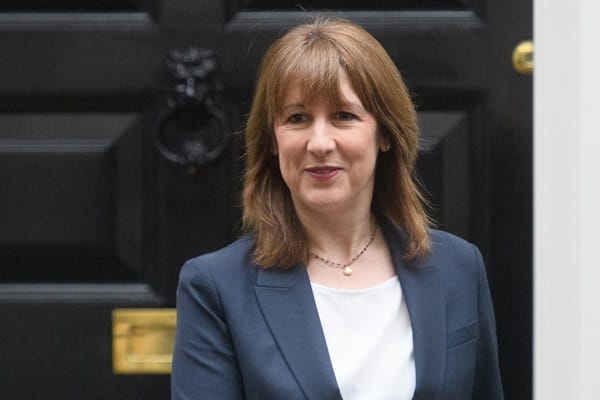
Chancellor Rachel Reeves welcomed the forecast, saying Britain was the only G7 economy to receive an upgraded growth outlook for the year.
She said the Government’s economic plans were helping create a stronger foundation for growth, highlighting investment in artificial intelligence, regional development and trade.
The IMF’s latest assessment provides a boost for the Government, but households are still waiting to see whether falling inflation translates into meaningful improvements in everyday costs.
With energy prices, interest rates and global instability continuing to shape the outlook, economists warn the recovery remains vulnerable to further shocks.





Leave a Comment