
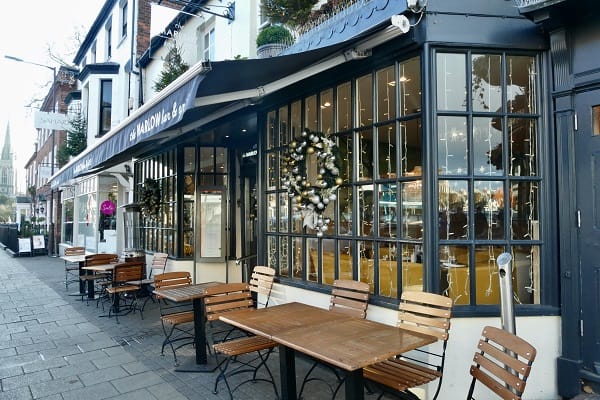
Dismal weather and cautious spending hindered the growth of managed hospitality groups in February, according to the latest NIQ RSM Hospitality Business Tracker.
The Tracker, produced by NIQ and powered by CGA intelligence in association with RSM, shows a 0.2% decline in like-for-like sales compared to February 2025.
This marks a continuation of a stagnant 2026 for the hospitality sector, following a 0.1% drop in January.
February’s trading was adversely affected by dull and wet weather across many regions of Britain, with Met Office data indicating that England experienced 42% more rainfall than the long-term average for the month.
Additionally, some consumers stayed home due to concerns about their disposable income amidst rising prices and economic uncertainty.
These negative factors overshadowed modest boosts from occasions such as Valentine’s Day and the Six Nations rugby tournament.
Pubs outperformed restaurants for the 15th consecutive month, according to the NIQ RSM Hospitality Business Tracker. Pub groups saw like-for-like sales increase by 1.0%, marking a positive month for this segment for the 13th consecutive month—though growth has exceeded 4% only twice.
In contrast, restaurants struggled to encourage consumer spending in February, with sales declining by 1.1% year-on-year. Other channels also faced challenges; bars experienced a 4.1% drop in trading, while the on-the-go segment saw a significant 5.0% decline in sales.
Despite the dip in like-for-like sales, new openings helped managed groups maintain growth in line with the country’s February headline inflation rate. On a total sales basis, which includes venues launched by hospitality groups in the last 12 months, growth reached 2.9%. However, with inflation rising significantly in key cost areas such as food, drink, and labour, profit growth remains challenging.
Meanwhile, the Tracker’s regional breakdown of sales indicates an almost identical month in London and beyond. Like-for-like sales were down by 0.1% within the M25, and by 0.3% further afield.
Karl Chessell, director – hospitality operators and food, EMEA at NIQ, said: “Flat like-for-likes and modest total growth driven by new openings have been the twin trends for hospitality for many months now. February’s figures were more of the same, and they are another reminder of how much venues rely on the weather for footfall.
“March brings important trading opportunities including Mother’s Day, St Patrick’s Day and the start of Easter holidays, and operators will be hoping for long-overdue sunshine to bring people out of their homes to eat and drink.”
Saxon Moseley, head of leisure and hospitality at RSM UK, said: “Real term growth eluded operators in February as the sector continued to struggle with poor weather and muted consumer confidence, extending a subdued start to 2026. Against this backdrop, geopolitical tensions in the Middle East present a real threat to the hospitality industry.
“2022’s energy crisis tells us that consumer confidence can freefall quickly and be slow to recover. If the situation continues, we could see input costs increase across food, logistics and utilities, presenting potential headwinds of higher costs and a further slowdown in demand later this year.”


Leave a Comment