
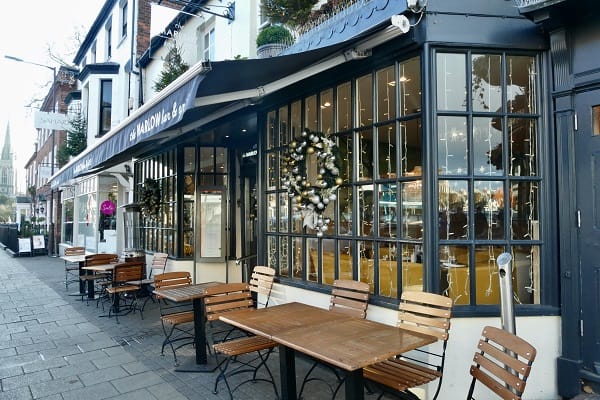
Britain’s pubs, bars and restaurants are disappearing at a rate of more than three a day, as a potent mix of rising costs and weakening consumer confidence tightens its grip on the hospitality industry.
The latest Hospitality Market Monitor from NIQ, drawing on data from CGA by NIQ, shows the number of licensed premises fell by 0.3 per cent in the first quarter of 2026.
By the end of March, just 98,609 outlets remained — 305 fewer than at the close of 2025 — marking a second consecutive quarterly decline and reinforcing fears that closures are accelerating.
The figures lay bare the scale of the challenge facing operators, many of whom are grappling with sustained increases in labour costs, elevated energy bills and persistent inflation in food and drink prices.
At the same time, households are becoming more cautious, with discretionary spending under pressure amid a broader cost-of-living squeeze. For many businesses, the combination has proved unsustainable.
Industry analysts warn that further strain may be imminent. Ongoing instability in the Middle East risks pushing energy costs higher still, threatening to compound existing pressures on margins already stretched to breaking point.
The downturn has been broad-based. None of the sector’s core segments recorded growth in the opening months of the year, underlining the fragility of the recovery.
Casual dining has been particularly exposed, with outlet numbers declining by 0.9 per cent over the quarter as consumers rein in spending on eating out. Bars, too, have borne the brunt of cutbacks, reflecting their reliance on discretionary income.
Yet the picture is not uniformly bleak. The accommodation sector has continued to show relative resilience, supported by shifting consumer behaviour and a potential revival in domestic tourism.
Licensed hotels have expanded year-on-year and are now just 4.7 per cent below their pre-pandemic level of March 2020 — a markedly stronger position than the wider hospitality market, which remains down by 14.3 per cent.
With overseas travel costs rising and household budgets stretched, industry leaders expect more Britons to opt for holidays closer to home this summer. Hotels, guest houses and holiday parks could therefore see a lift from a renewed wave of staycations.
Even so, for much of the hospitality sector, the immediate outlook remains challenging. Mounting costs, fragile demand and a steady drumbeat of closures point to an industry still struggling to regain its footing.
Karl Chessell, Director – Hospitality Operators and Food, EMEA at NIQ, said: “Soaring costs have taken a heavy toll on hospitality in the first quarter and forced hundreds of businesses to close, with distressing impacts for the operators and employees concerned.
“Confidence among leaders and consumers alike is low, and geopolitical crises are likely to cause more damage in the months ahead.
Many pubs, bars, restaurants and other outlets have shown remarkable resilience in the face of unprecedented challenges, but thousands are now nearing breaking point. Without targeted support, more closures can be expected over the rest of 2026.”




Leave a Comment