
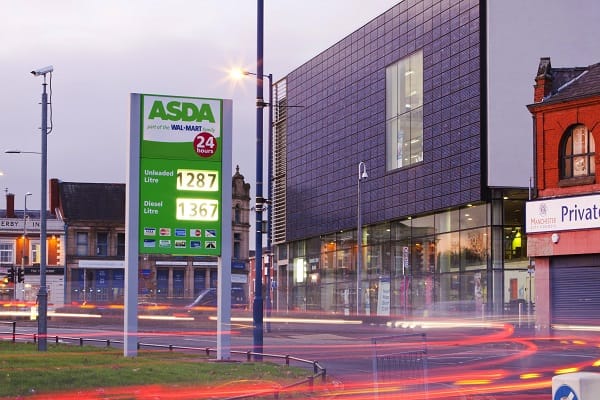
Millions of Britons are bracing for a sharp rise in household costs from April, with the ongoing conflict in Iran adding pressure to already stretched budgets.
Rising fuel, energy, and food prices are combining with planned increases to council tax, water bills, and other essential services, sparking concern for families across the country.
Petrol prices have surged above 150p per litre for the first time in nearly two years, while diesel has jumped more than 34p per litre since the war began.
The Isle of Man has already faced a diesel shortage, with fuel rationing imposed after stations reportedly ran out of fuel.
Council tax will rise by 5% in England and Wales, with Scottish households seeing increases of between 4% and 10%. Average water bills in England are set to climb by £33 per household, while broadband and phone bills will also increase, with the TV licence rising by £5.50 from April. Car tax rates are rising, and the exemption for electric vehicles is ending.
The Government has pledged support for households, with the energy price cap expected to shield consumers until July, a 4% pay rise for around 2.7 million people on the National Minimum and Living Wage, a cap on rail fare increases in England and parts of Wales, and prescription medicines remaining under £10.
The war in Iran is driving much of the current surge. The blockade of the Strait of Hormuz, through which around a third of global fertiliser and oil passes, has pushed up fuel and food prices.
Ammonium nitrate, a key fertiliser component, has more than doubled in price, from $300 per tonne at the start of the year to nearly $700. Analysts warn that higher oil and gas costs could keep inflation elevated and slow economic growth.
Prime Minister Keir Starmer will meet business leaders from the fuel, energy, shipping, and financial sectors at Downing Street to discuss the economic impact of the conflict. Ministers have sought to reassure the public, with Education Secretary Bridget Phillipson urging drivers to continue filling up as normal and downplaying the risk of widespread shortages.
With households facing price increases across essential services, energy, and transport, the coming months are expected to be challenging for British families, even as the Government implements measures to help cushion the blow.


Leave a Comment