
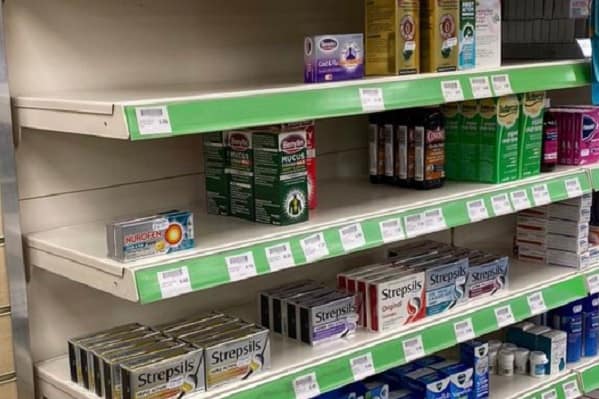
Pharmacists across the UK are increasingly voicing their concerns that the ongoing turmoil in the Middle East could lead to a significant shortage of essential medicines.
Dr Leyla Hannbeck, who serves as the CEO of the Independent Pharmacies Association, highlighted these apprehensions during a recent interview with GB News.
She pointed out that medicine providers are “very worried” not only about the ramifications of the current conflict in the region but also about what she describes as the government’s “lack of planning” in response to these challenges.
The UK’s healthcare system is heavily dependent on imported medicines, with a substantial portion of these imports sourced from other countries. Even those that arrive from European Union nations often contain critical raw materials sourced from countries such as China and India.
Dr Hannbeck elaborated on the implications of this reliance, stating, “We’re very worried because the Government’s lack of planning has, in the past, led to worsening situations.”
She explained that many pharmaceutical manufacturers rely on specific raw materials to produce medications, and highlighted that some commonly used medicines are petroleum-based, which could be affected by rising oil prices and supply chain disruptions.
The situation has been exacerbated by the closure of the Strait of Hormuz, a crucial maritime route for oil shipments, following increased tensions in Iran.
This closure has resulted in a surge in oil prices to their highest levels in years, adding further pressure on the pharmaceutical supply chain. Dr Hannbeck has called on the Labour Party to take proactive steps to mitigate these issues, stressing the urgency of the matter.
We’ve had no communication from the Government regarding their plans,” she lamented, emphasising the need for transparent dialogue to ensure that patients are protected.
Dr Hannbeck urged policymakers to focus on safeguarding the UK market, which may include considering a ban on exporting 150 medicines currently facing shortages. Such measures, she argues, are critical to ensuring that essential medicines remain available for the patients who rely on them.
A Department of Health and Social Care spokesman said: “The vast majority of the UK’s licensed medicines are in good supply, and to make sure this remains the case, we are investing more in the domestic medicine manufacturing industry.
“We’re strengthening the resilience of our medicine supply by offering financial incentives for the manufacturing of more medicines – and have well-established processes in place to mitigate risks, including using alternative medicines when available.
“We are also actively engaging with partner countries to bolster supply chains – protecting NHS services and patients.”


Leave a Comment