
Donald Trump’s ambitious bid to force a new Middle East peace framework has been thrown into turmoil almost immediately, after Israeli strikes on Lebanon reignited fighting and exposed deep divisions over the future of the conflict.
Within hours of the agreement being unveiled, Israel launched a major wave of air strikes and artillery attacks in southern Lebanon and the Beqaa Valley, killing at least 18 people and forcing the cancellation of planned peace talks in Switzerland.
The violence has delivered a brutal blow to hopes that Trump’s diplomatic push could bring a rapid de-escalation across the region.
Israeli forces also suffered heavy losses, with four soldiers killed — including a lieutenant colonel — during intense fighting linked to Hezbollah positions. A further five Israeli troops were injured in a drone attack.
The escalation has triggered fury among Israeli officials and the public, who believe Washington’s negotiations have risked compromising Israel’s security interests.
At the centre of the dispute is a proposed commitment to halt fighting in Lebanon, a key demand from Tehran but a red line for many in Israel.
Jerusalem argues that maintaining troops in southern Lebanon is essential to prevent Hezbollah from rebuilding its military presence close to Israel’s northern border.
Prime Minister Benjamin Netanyahu told Trump that Israel would not withdraw while its security requirements remained unmet, setting up a direct clash with the White House.
The confrontation has placed growing strain on the relationship between Trump and Netanyahu.
Trump had warned Netanyahu that he needed to act responsibly over Lebanon, saying: “Without the US there would be no Israel.”
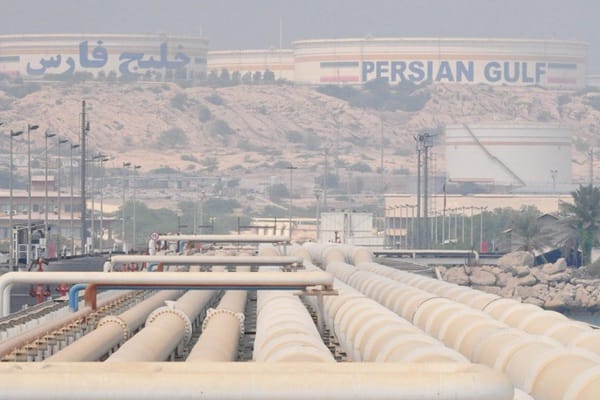
The agreement, signed at the G7, was intended to open the way for negotiations and ease tensions around the Strait of Hormuz.
But within hours, the fragile framework was already under pressure.
The 14-point memorandum remains dependent on whether Israel, Iran and their allies can restrain their military operations — something that appears increasingly uncertain after the latest bloodshed.
Meanwhile, Washington has moved to ease restrictions around Iranian shipping routes, with Tehran claiming its authorities have begun issuing permits for commercial vessels travelling through the Strait of Hormuz.
Iran’s leadership has signalled a willingness to continue talks, though it has warned negotiations do not mean accepting American demands.
Vice President JD Vance has emerged as one of the strongest defenders of Trump’s approach, warning Israel that Trump remains its most important supporter internationally.
He said Trump was “the only head of state in the entire world who is sympathetic to the nation of Israel at this moment in time.”
But the immediate reality is stark.
A peace deal designed to silence the guns has instead been followed by explosions, casualties and a diplomatic crisis.
Trump’s Middle East gamble now faces its first and most dangerous test: whether his agreement can survive the very conflict it was supposed to end.


Leave a Comment