
Oil prices reached their highest levels in over two years on Monday as the escalating conflict involving Iran unsettles global markets and threatens a critical artery for the world’s energy supply.
The international benchmark, Brent crude, briefly surged more than 3% to $117 a barrel in early trading as investors reacted to growing disruption in the Middle East and dwindling hopes for a swift resolution to the war, now entering its fifth week.
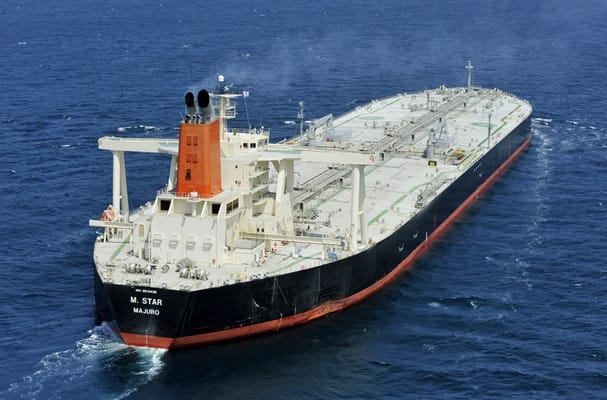
At the center of the crisis is the Strait of Hormuz, a narrow shipping lane through which approximately one-fifth of the world’s oil passes.
Iran’s attempts to block or disrupt this route, along with attacks on regional energy infrastructure, have sent shockwaves through energy markets and raised fears of a prolonged supply crisis.
The situation intensified over the weekend when Iranian-backed Houthi forces launched their first missile strike associated with the conflict, indicating a dangerous expansion of hostilities beyond the immediate area.
Despite the turmoil, London’s FTSE 100 index rose modestly in early trading, gaining 0.2%, or just over 22 points, to reach 9,989.56. Gains in oil companies helped buoy the index, offsetting concerns about the potential broader economic fallout.
Matt Britzman, senior equity analyst at Hargreaves Lansdown, said: “Doubts over a quick resolution have grown after Iran backed Houthi militants stepped up attacks in the region, and the US moved additional troops closer to the conflict.
“With the Houthis threatening Red Sea shipping lanes and key energy infrastructure, and rumours that Washington is preparing for ground operations, traders are bracing for more supply risk and further price volatility.”
However, there is growing unease within the UK government regarding the possibility of renewed inflation shock. Downing Street confirmed that Keir Starmer will host senior figures from the energy, shipping, and financial services industries for urgent discussions on the economic implications of the crisis. Officials are particularly worried about the knock-on effects of higher fuel costs on businesses and households already grappling with elevated prices.
Chancellor Rachel Reeves is expected to participate in a virtual meeting later in the day with counterparts from the G7, including finance ministers, energy leaders, and central bank governors. The discussions will likely focus on coordinated responses to stabilize markets and mitigate inflationary pressures.
Ed Miliband will also take part in the talks amid increasing pressure on the government to outline contingency plans should the disruption to oil flows worsen.
Analysts caution that the current price spike may only be the beginning if the Strait of Hormuz remains compromised. Insurance premiums for tankers have already started to rise sharply, and some shipping companies are reportedly reconsidering their routes through the Gulf altogether.
“A sustained disruption here would have immediate and far-reaching consequences,” warned one market strategist. “This is not just about oil; it directly impacts inflation, growth, and financial stability.”
With global supply chains under strain once again, policymakers face the uncomfortable prospect of an external shock just as inflation had begun to ease. For households, the implications are significant: higher petrol prices, increased energy bills, and renewed pressure on the cost of living.
For now, markets remain delicately balanced between resilience and anxiety. However, as the conflict shows signs of spreading, the risk is that what began as a regional confrontation could devolve into a full-blown global economic crisis.


Leave a Comment