
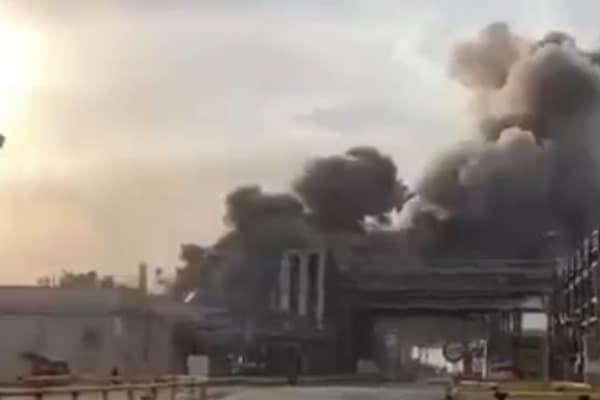
Falling debris from an intercepted drone caused a “limited fire” at the Saudi Aramco refinery in Ras Tanura, as reported by the Saudi defence ministry.
This incident took place on [insert date], when defence spokesperson Turki al-Maliki announced that two drones had been detected and successfully intercepted in the vicinity of the facility.
Debris from one of the intercepted drones fell on the refinery premises, triggering a localised fire.
Fortunately, the fire was swiftly extinguished by emergency response teams, preventing further escalation.
The Saudi Arabian energy ministry also confirmed that the situation was under control and assured the public that there would be no interruption in oil production or exports from the refinery. As a precaution, the refinery was temporarily shut down to assess the situation and ensure personnel safety.
The Ras Tanura complex is considered one of the largest energy facilities in the Middle East, with a refining capacity of approximately 550,000 barrels of crude oil per day. It also serves as a critical hub for global oil shipping, with extensive infrastructure supporting the transportation of oil to various international markets.
An Iranian drone attacked a Saudi Aramco oil facility in Ras Tanura, Saudi Arabia.
This is a strategic export hub on the coast of the Persian Gulf.
Fire at Ras Tanura, a strategic and very large oil refinery in Saudi Arabia, following the arrival of an Iranian drone.… pic.twitter.com/qCkVCD5L6k
— Lew Anno Support#USA#NATO#Ukraine 24/2-22 (@anno1540) March 2, 2026
Meanwhile, in Kuwait, witnesses reported sighting smoke rising above a power plant located in the northern part of the country. In a related incident, the Kuwait National Petroleum Company revealed that debris had fallen on the Mina Al-Ahmadi refinery, resulting in injuries to two workers. Thankfully, the refinery’s operations remained unaffected, and an investigation was initiated to determine the cause of the debris.
Global energy markets reacted sharply to these developments, with Brent Crude Oil prices rising by approximately 9% as traders and investors expressed concerns about potential disruptions to global oil supply. Analysts have sounded alarms about the implications of sustained attacks on Gulf energy infrastructure, warning that such actions could lead to tighter oil supplies and, in turn, exacerbate inflationary pressures in major economies that rely heavily on imported energy.
These recent incidents underscore the vulnerability of critical energy infrastructure amid ongoing regional conflicts, particularly for facilities situated near vital maritime shipping corridors and air defence interception zones. The potential for further attacks raises serious questions about the security of energy supplies in a region that is pivotal to the global oil market.


Leave a Comment