
Global markets have finally opened after a weekend that will go down in history, as a US-Israeli coalition kicked off a conflict that seemingly looks to run as long as necessary to overthrow the Iranian government.
In global markets, the response has been largely negative, but the most significant reaction has been in the commodity space, as oil and natural gas prices soar.
From a UK perspective, the FTSE 100 has been held up by the outperformance of Shell (+5%) and BAE Systems (+5%), while the financials have led the losses, with a 5% decline for Barclays and Standard Chartered.
In amongst all the speculation over exactly how this conflict could play out, the market focus has really been on the energy markets.
Notably, while we saw weekend speculation of a 15% rise for crude at the open, we saw an initial 13% pop that has since faded to an 8% gain. Nonetheless, the Iranian decision to effectively close the Straits of Hormuz through a combination of threats and attacks on tankers does raise the high likelihood of a short-term price spike as supply chains face major disruption.
We are yet to see the US and Israel specifically target Iranian oil facilities, providing a nod to the likely plan that the new leadership can export freely to bring prices back down. However, the prospect of a sharp rise in oil and gas prices does raise concerns about an inflationary surge, with CME pricing for a June rate cut easing back this morning.
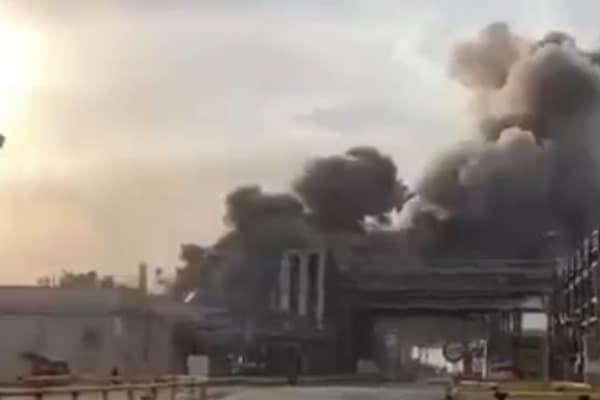
An Iranian drone attacked a Saudi Aramco oil facility in Ras Tanura, Saudi Arabia.
This is a strategic export hub on the coast of the Persian Gulf.
Fire at Ras Tanura, a strategic and very large oil refinery in Saudi Arabia, following the arrival of an Iranian drone.… pic.twitter.com/qCkVCD5L6k
— Lew Anno Support#USA#NATO#Ukraine 24/2-22 (@anno1540) March 2, 2026
Notably, we did see OPEC step in to try to provide some stability, raising their April quota by 206k and pledging to make up for any supply disruptions from Iran.
Looking ahead, this week brings a fresh focus on the US jobs market, building up towards Friday’s payrolls and unemployment rate figures.
Undoubtedly, the events in the Middle East provide a significant driver of inflation uncertainty, denting hopes of a rate cut in the coming months. However, with war comes financial consequences, and thus the need to replenish the US military’s firepower could ultimately lead to higher growth and employment.
For the time being, the lopsided nature of the US economy remains a concern, with few signs of easing. And with the US heading towards a crucial Midterm election in Q4, a heady concoction of a war in Iran, claims of an Epstein cover-up, higher oil prices, and continued weakness in the jobs market makes for a very difficult election pitch for the Republicans.


Leave a Comment