
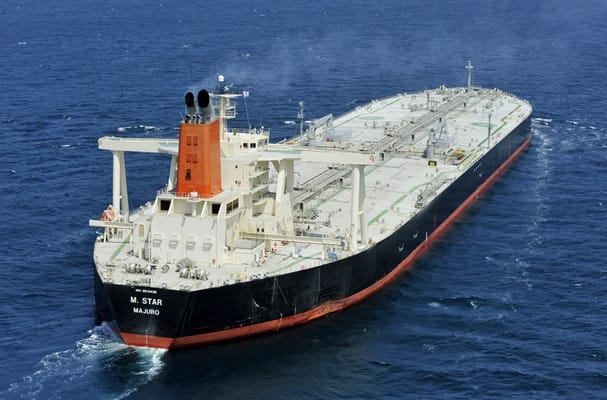
West Texas Intermediate and ICE Brent futures rose nearly 8% to return to and hold above $100 a barrel across both major benchmarks.
The surge in crude oil prices comes amid a more complex crisis over the closure of the Strait of Hormuz, which is now closed at both ends, this time by the American side.
The sharp rise in crude oil prices is also a part of a recurring cycle of escalation and de-escalation manoeuvres, repeatedly led by Donald Trump.
President Trump has announced a U.S. naval blockade of the Strait of Hormuz following the collapse of peace talks in Pakistan. Scheduled to begin on Monday at 10:00 AM Eastern Time, the seek-and-interdict mission aims to secure the strategic chokepoint and neutralise Iran’s economic leverage.
Despite the administration’s claims of naval dominance, Tehran’s intact fleet of fast-attack craft continues to pose a significant threat to maritime operations, according to the Wall Street Journal.
Even if the US military could enforce the blockade, this high-stakes war of attrition could further destabilise global energy markets and provoke Iranian retaliation.
This escalation and counter-escalation raise further concerns about the risk of deepening structural damage to the region’s oil supply. In response to Trump’s attempt to cripple the Iranian economy by closing the Strait of Hormuz, Iran may intensify its oil extraction and production infrastructure in the Middle East to globalise the long-term economic consequences of this war by keeping oil prices higher for longer.
This increasing US involvement and escalation of the conflict comes at a time when it has failed to achieve any of its strategic objectives in this war. According to the WSJ, Iran’s nuclear program remains a formidable obstacle for U.S. negotiators following 21 hours of deadlocked talks in Islamabad. Despite five weeks of targeted U.S. and Israeli strikes, Tehran has retained the essential components for a nuclear weapon, including a 1,000-pound stockpile of near-weapons-grade uranium. While research facilities were degraded, Iran’s underground assets and fissile material provide significant leverage, according to the Journal.
This is also without even mentioning the possibility of Trump launching a large-scale attack on Iran’s energy infrastructure, which would mark a new phase of escalation and could have serious long-term consequences for the region and even the world.
Even the Israeli side does not seem encouraged to end the war, due to internal political considerations.
According to The Washington Post, Prime Minister Benjamin Netanyahu faces significant domestic pressure as the ceasefire threatens his ability to deliver on core promises of a decisive victory.
With national elections looming in October, critics and political rivals argue that ending the conflict now leaves the Iranian regime intact and the threat unresolved, characterising the truce as a strategic failure. Netanyahu needs the military campaign to continue to meet high public expectations and avoid the perception of being sidelined by the U.S. administration, especially as he lacks strategic closure on Iran’s nuclear and missile programs.
These escalating factors will keep crude oil prices high for a long time, but they will remain volatile due to Trump’s machinations to force them down to reduce the political cost to him and his party.
With the war’s objectives unachieved, Trump’s recurring tactical manoeuvres have become the norm, and the market must adapt to them. Escalation typically occurs during market days off → oil prices surge and a stock market crash on Monday → Trump speaks of the war’s imminent end (or announces a ceasefire that is stillborn) → oil prices plummet → escalation on weekends (an announcement of the collapse of negotiations and the next escalation) → oil prices surge on Monday.


Leave a Comment