
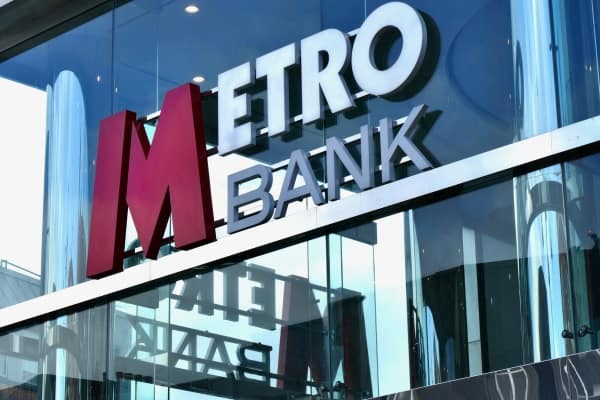
Metro Bank has delivered its strongest half-year performance on record, signalling that its high-risk turnaround strategy is gathering pace as it doubles down on specialist lending and expands its physical branch network while much of the UK’s banking sector continues to shrink its high street presence.
The challenger bank reported pre-tax profits of £61 million for the first six months of 2026, a 41 per cent increase on the same period a year earlier and the highest half-year profit in its history.
The results underline a dramatic recovery after years of upheaval that culminated in a rescue refinancing in 2023.
Growth was driven by an aggressive push into specialist lending markets, with loans across targeted corporate banking, small businesses and specialist mortgages rising 43 per cent to £6.2 billion. Specialist mortgage lending surged 73 per cent to £2.2 billion as Metro targeted borrowers often overlooked by larger rivals.
The strategy also attracted fresh customers, with 35,000 new personal current accounts and 12,000 new business accounts opened during the period, strengthening the bank’s position in an increasingly competitive retail banking market.
Perhaps the clearest sign of Metro’s divergence from the rest of the industry is its commitment to expanding its branch estate. While Britain’s largest lenders have spent years closing hundreds of locations as customers migrate online, Metro has signed leases for new branches in Leeds, Newcastle and Nottingham and says it is actively searching for further sites.
The investment reflects chief executive Daniel Frumkin’s conviction that face-to-face banking remains a competitive advantage, particularly for small businesses and commercial customers seeking relationship-based services rather than purely digital interactions.
The contrast with the wider sector is striking. Major lenders including HSBC, Santander and NatWest have pledged to pause further branch closures only after years of substantial reductions, while Nationwide has committed to maintaining its extensive network until at least 2030.
Metro Bank’s latest results suggest there may still be commercial value in a physical presence on Britain’s high streets — provided it is backed by profitable lending and a clearly differentiated business model.


Leave a Comment