
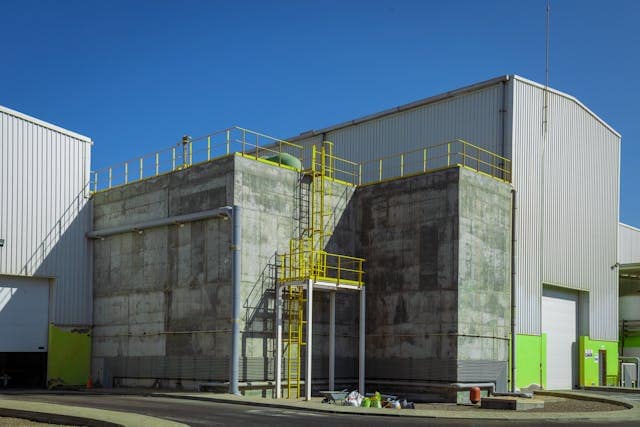
If you’re starting a new company and need a place to call home, or you’ve outgrown your current venue, the possibility of building your own professional workspace can be quite appealing. Not only will you be able to customise it to suit the size and needs of your company, but you will also own the structure, which means you won’t have to worry about a landlord deciding not to renew a lease or changing the terms when you’re least expecting it. There is something incredibly satisfying about having a space that is completely yours and designed around the way your business operates. Of course, building your own business premises is not something that happens overnight. It can be exciting, stressful, expensive and rewarding all at the same time. There are plenty of decisions to make, and some of them can have a huge impact on the future of your business. Before you start picturing your logo on the side of a shiny new building, here are a few things that are worth thinking about first.
Carefully select a plot of land
When it comes to running a business, one of the first things you need to think about is location, especially if your customers regularly visit you in person. You could build the most impressive business premises in the world, but if it’s awkward to get to, you’re immediately creating problems for yourself. Think about your current customers and how they will get there. Think about potential customers too. Is there enough parking? Are there decent road links? Is public transport nearby? These things might not seem particularly exciting when you’re looking at a piece of land, but they can make a huge difference later. It’s also worth thinking about the surrounding area and whether it complements your business. If you sell vehicles, being close to garages or service centres could work in your favour. If you’re opening offices, being near other businesses can help create networking opportunities and make the location more attractive to future employees. It’s easy to get caught up in the price of a plot of land, but sometimes a cheaper plot ends up costing more in the long run if the location isn’t right.
Get professional advice
Once you’ve found a plot of land that ticks the right boxes, it’s time to start thinking about the building itself. This is usually the point where people realise just how many decisions are involved. Suddenly you’re thinking about layouts, parking spaces, storage areas, meeting rooms, accessibility requirements and a hundred other things you hadn’t considered before. That’s why professional advice is so valuable. Commercial builders, architects and surveyors have seen projects succeed and fail, and they can often spot potential issues long before they become expensive problems. It’s also worth speaking to commercial property specialists who understand the local area. They may be able to tell you things about the location that aren’t immediately obvious. Another thing people often overlook is the practical side of running the building once it’s complete. For example, speaking to an experienced electrician during the planning stages can help you understand what your future power requirements might be. The last thing you want is a beautiful new building that struggles to cope with your equipment because nobody planned for growth. Sometimes spending money on advice early can save you a lot more money later.
Think about future business plans
It’s very easy to focus on what your business needs today, but that’s not really how you should approach a project like this. If you’re building your own premises, chances are you’re planning for the future as well. Take a step back and think about where you would like the business to be in five or ten years. Will you need more office space? Are you hoping to hire more staff? Could you eventually need additional storage or larger production areas? Nobody can predict the future perfectly, but having some flexibility built into your plans can make a huge difference. One of the biggest mistakes businesses make is creating a space that works perfectly right now but becomes restrictive surprisingly quickly. It can be tempting to save money by building exactly what you need today, but if expansion is on the cards, it may be worth allowing yourself some room to grow. Even something as simple as leaving space for a future extension could save a lot of disruption later.
Don’t underestimate the cost
This probably goes without saying, but building your own business premises is rarely as cheap as you hope it will be. There are always extra costs that appear when you least expect them. You’ll obviously need to budget for materials and labour, but that’s only part of the picture. Planning applications, utility connections, legal fees, landscaping, security systems, signage and interior fit outs can all add to the final bill. Then there are the unexpected surprises that seem to appear on almost every construction project. That’s why it’s so important to build some breathing room into your budget from the start. It might feel frustrating setting money aside for things that haven’t happened yet, but you’ll be grateful for it if something unexpected crops up. It’s also worth considering whether speeding up the project by bringing in additional contractors is financially worthwhile or whether taking a little longer could save money. Every project is different, and there’s rarely a one size fits all answer. The key is to go into the process with realistic expectations and avoid stretching your finances too thin. Building your own business premises can be one of the best investments you’ll ever make, but only if you approach it with a clear plan and a sensible budget.
Keep these pointers in mind and you’ll give yourself a much better chance of creating a business space that works not just for where your company is today, but where you hope it will be in the future. There are, of course, many more things to think about, but if you start with these four main points you’ll be heading in the right direction.


Leave a Comment