
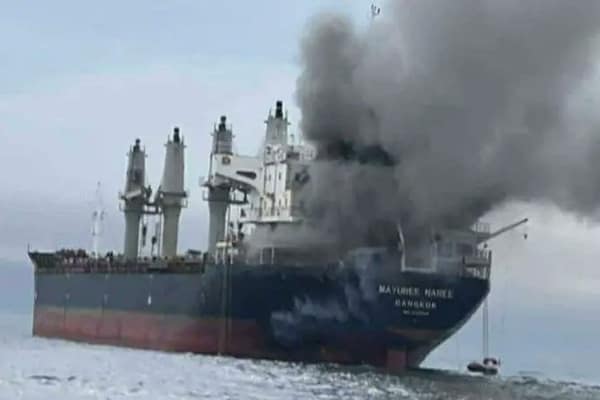
The ongoing conflict involving Iran has escalated to a point where it is resulting in the most significant supply disruption in the history of the global oil market.
This alarming development has been highlighted by the International Energy Agency (IEA), a vital global energy watchdog.
According to their reports, the flow of crude oil through the vital Strait of Hormuz—an essential channel for global oil transport—has decreased drastically, now flowing at what the IEA describes as a “trickle.”
This severe reduction in oil throughput has led the agency to make substantial downward revisions to its global energy supply forecasts.
As tensions continue to rise in the Middle East, oil prices surged again on Thursday. Iran’s military actions, which target both energy infrastructure and maritime shipping routes, have intensified fears of a prolonged shock to oil supplies. The latest market analysis from the IEA indicates that global oil supply could decline by approximately 8 million barrels per day by March.
This anticipated drop is primarily due to the significant disruptions affecting shipments from the Gulf region, which plays a crucial role in the global energy supply chain.
The Strait of Hormuz is particularly critical, with around 20 million barrels of oil typically transiting through this narrow waterway each day. This figure illustrates its importance as one of the world’s most vital energy corridors, facilitating the movement of a significant portion of the world’s oil supply.
In light of the escalating crisis, the 32-nation IEA alliance convened on Wednesday and reached a historic decision to release an unprecedented 400 million barrels of emergency oil reserves. This strategic move is intended to stabilise the market and avert a severe global oil shortage, reflecting the urgency of the situation and the consequences of continued regional destabilisation.


Leave a Comment