
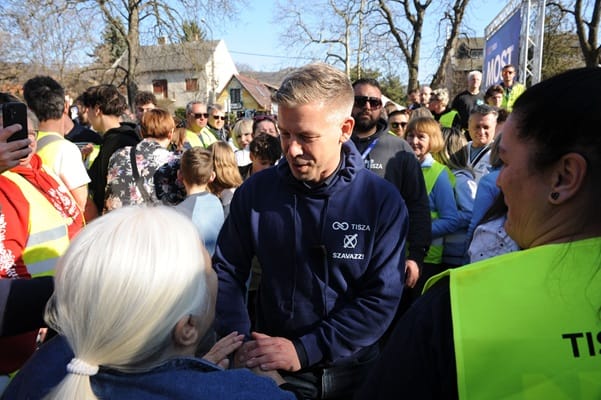
Hungary has signalled a dramatic geopolitical shift after election victor Péter Magyar declared the country would “live again and be European”, marking a clear break from the Russia-leaning posture of his predecessor.
“Our country wants to live again and be European. Hungary will become a strong ally in the EU and NATO,” Magyar said, in a statement that sets the tone for a decisive realignment in Budapest.
The result brings to an end the long dominance of Viktor Orbán, whose tenure saw Hungary drift increasingly at odds with its European partners while maintaining closer ties with Moscow.
Magyar’s pledge suggests a rapid pivot back towards Brussels and Western alliances, with implications that could reverberate far beyond Hungary’s borders.
For years, Hungary had been a disruptive force inside the European Union and NATO, often slowing sanctions, complicating joint decisions and striking a more conciliatory tone towards the Kremlin.
That approach now appears to have been decisively rejected by voters.
Magyar’s rhetoric points to a restoration of trust with European partners and a more predictable role in collective decision-making — particularly at a time when unity over Ukraine remains critical.
A more aligned Hungary could ease persistent friction in Brussels over sanctions, funding and long-term support for Kyiv, removing one of the key obstacles that has complicated European coordination since the start of the war.
It also signals a broader rejection of political strategies seen as accommodating Moscow’s influence within Western institutions.
The shift carries wider political significance beyond Europe. Viktor Orbán had become a prominent figure for nationalist movements internationally, drawing support from figures such as Donald Trump and JD Vance.
His defeat raises questions about the durability of that model when put to voters, particularly in countries facing economic strain and security pressures.
While the direction of travel appears clear, the scale and speed of change will depend on how effectively Magyar can translate campaign promises into policy, navigate domestic institutions and manage economic realities.
For now, however, the message from Budapest is unmistakable: Hungary is seeking to redraw its place in Europe — and distance itself from Moscow’s orbit.
In a continent shaped increasingly by geopolitical fault lines, that shift may prove more consequential than it first appears.


Leave a Comment