
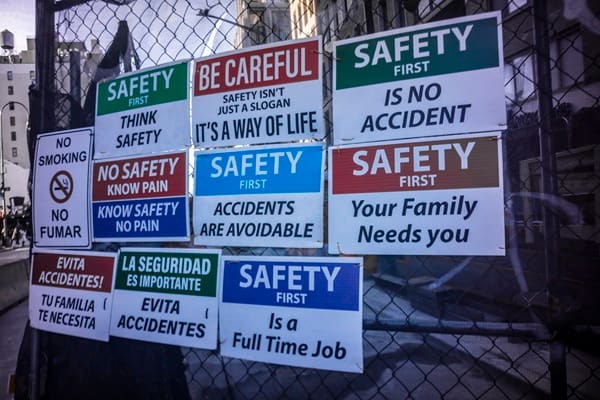
In recent years, London has undergone significant reform in its building-safety framework to better protect residents, workers, and the public. Following the tragic Grenfell Tower fire, authorities acknowledged serious shortcomings in existing regulations and committed to preventing similar disasters. The result has been a comprehensive overhaul of safety laws covering every stage of a building’s lifecycle — from initial design and construction to long-term management and maintenance — with a strong emphasis on a Fire Risk Assessment.
In a city as densely built and architecturally diverse as London, where historic properties stand alongside modern high-rises, safety has become central to planning and approval processes. Decisions are no longer driven solely by aesthetics or cost-efficiency; instead, resilience in the face of fire and structural emergencies is now a fundamental priority.
Landlords have clear legal responsibilities to protect tenants from fire risks. Most rental properties require a documented Fire Risk Assessment (FRA), with stricter standards applying to Houses in Multiple Occupation (HMOs) and other multi-occupied buildings — a common feature of London’s housing landscape.
A new era of building-safety legislation
The UK government has introduced robust legislation to reinforce safety oversight. Two of the most significant measures are the Fire Safety (England) Regulations 2022 and the Building Safety Act 2022. Together, they define clearer duties for developers, building owners, and property managers — particularly those responsible for high-rise and multi-occupied residential buildings.
Under these regulations, responsible persons must:
-
Share detailed building and floor plans with fire and rescue services
-
Maintain and regularly inspect firefighting equipment
-
Conduct routine fire door checks
-
Ensure firefighting lifts are tested
-
Clearly communicate evacuation procedures to residents
These measures are particularly critical in London, where thousands of people reside in tall residential blocks.
Higher standards in construction and design
For developers and architects, fire safety must now be embedded into projects from the earliest design phase. Approved Document B — the section of UK Building Regulations addressing fire safety — has been updated to restrict the use of combustible materials in external walls and cladding systems. As a result, new residential and commercial buildings must incorporate non-combustible materials to reduce the risk of external fire spread.
Design requirements also include:
-
Adequate firefighter access routes
-
Effective compartmentation between flats
-
Fire-resistant escape corridors
-
Clear evacuation pathways
London’s planning authorities frequently request detailed fire-safety statements as part of planning applications, reflecting the city’s firm stance on compliance.
Ongoing responsibilities for building owners
For existing properties — particularly older buildings across London — safety obligations continue well beyond construction. Owners must ensure that systems such as fire doors, alarms, emergency lighting, and evacuation signage remain fully operational. Many properties require the appointment of a designated “responsible person” to oversee compliance and safety management.
Accurate record-keeping is essential. Risk assessments, system upgrades, and maintenance activities must be documented and made available for inspection by local fire authorities. Failure to comply can result in substantial fines or criminal prosecution. These regulations reinforce the principle that building safety is a continuous duty, not a one-time requirement.
Benefits for residents and occupants
For London’s residents and workers, these reforms offer greater reassurance. Buildings are constructed and maintained to higher standards, and safety procedures are more transparent. High-rise occupants receive clearer communication regarding fire protocols, while regular system checks reduce the risk of malfunction during emergencies.
The London Fire Brigade has strengthened enforcement efforts, conducting inspections and providing guidance across boroughs to ensure consistent adherence to the updated rules.
The role of continuous safety assessments
Even the most rigorous regulations rely on consistent monitoring and improvement. Over time, building conditions evolve, and usage patterns change. Routine inspections help identify emerging risks before they escalate.
Professional fire safety risk assessments play a crucial role in evaluating whether fire-protection systems remain effective and whether additional measures are needed. For property owners and managers in London, this proactive approach not only supports compliance but also safeguards lives.
Looking ahead: A safer built environment
London is steadily fostering a culture in which safety is integrated into every stage of a building’s existence. The Building Safety Regulator, established under the Building Safety Act, oversees the implementation of these standards and ensures lessons from past incidents continue to inform future construction practices.
In the years ahead, even tighter scrutiny of materials, fire-safety management, and long-term maintenance is expected. The goal is not merely regulatory compliance but true resilience — ensuring that London’s homes and workplaces can withstand emergencies and protect those inside them.
London’s updated building regulations represent a major shift in how safety is prioritised within the built environment. From stricter material requirements and enhanced design standards to reinforced management and maintenance duties, the reforms mark meaningful progress in protecting lives.
For developers, landlords, and residents alike, these measures promote accountability, transparency, and long-term planning — helping to ensure that safety remains at the heart of London’s evolving skyline.




Leave a Comment