
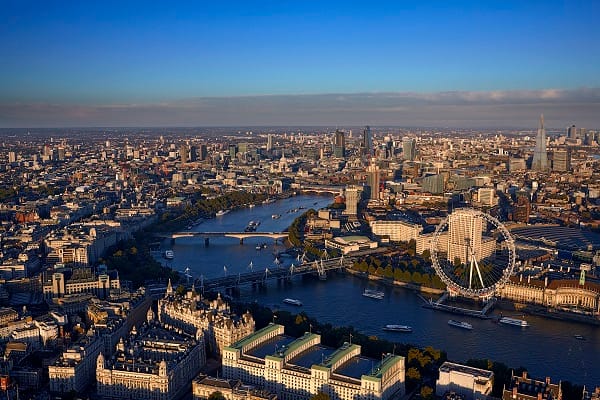
London is full of public spaces that people use every day without necessarily thinking about how they came to be. From local parks and community centres to cultural landmarks and restored heritage sites, the city is shaped by a mix of history, investment and ongoing development.
One part of that story, which often goes unnoticed, is the role of lottery funding. Over the years, money raised through the National Lottery has contributed to a wide range of projects across London, helping to maintain, restore and improve spaces that are now part of everyday life.
A quieter source of funding
Unlike large-scale government spending or private investment, lottery funding tends to operate more quietly; people don’t necessarily hear about all of the good it does. It is usually distributed through grants to places like councils, charities and organisations working on specific projects. These can range from major restoration work which will cost millions, to smaller community-led improvements that cost far less money and also much less time. While public attention is often drawn towards prize draws and discussions around EuroMillions lotto odds, the funding generated through lottery systems also contributes towards projects that support communities and public spaces across the UK.
In London, where space is far more limited than in smaller places in the countryside but the demand is very high, this type of funding has played an important role. It often supports projects that might otherwise struggle to secure investment, particularly those focused on community use rather than commercial return.
Parks and green spaces
One of the clearest examples of lottery funding in action can be seen in London’s parks. Many green spaces across the city have received support to improve facilities, restore historic features and make areas more accessible to everyone.
Take Brockwell Park in South London, which has benefited from a £6 million investment which was aimed at restoring its historic landscape and improving amenities for visitors. Projects like this often involve repairing pathways, upgrading playgrounds and preserving natural features, all of which contribute to how the space is used day to day.
Similarly, Clissold Park in North London underwent a major restoration that included improvements to its lakes, buildings and open spaces. Funding helped bring parts of the park back into regular use, making it more appealing and functional for local residents.
These kinds of upgrades might not always be immediately noticeable, but they have a lasting impact on how people experience the city.
Community spaces and local projects
Beyond parks, lottery funding has also supported a range of community spaces across London. These include local centres, shared venues and projects designed to bring people together. For example, community centres in boroughs across London have received support to host activities such as youth programmes, social groups and local events. These spaces often become important hubs within neighbourhoods, offering somewhere for people to connect and take part in activities close to home.
Supporting arts and culture
London’s cultural scene is massive and very strong, one of its defining features has been supported a lot by lottery funding has contributed to this as well. Museums, galleries and theatres have all benefited from grants that support both physical spaces and programming. Projects like the redevelopment of parts of the Southbank Centre have involved funding that helps maintain public access to arts and culture. This includes not only large venues but also smaller, community-focused initiatives that might not receive mainstream attention.
The goal in many of these cases is to ensure that cultural spaces remain open, accessible and relevant to a wide audience, rather than becoming exclusive or limited in scope.
Preserving heritage
London’s history is visible in its architecture, streets and public buildings, but maintaining these features requires ongoing work. Lottery funding has supported numerous heritage projects aimed at preserving and restoring historically significant sites.
This can include anything from repairing listed buildings to conserving public monuments and historic parks. In some cases, funding also supports educational programmes that help people understand the history behind these spaces.
Accessibility and inclusion
Another important area where lottery funding has made a difference is accessibility. Many projects now place a strong emphasis on making public spaces usable for as many people as possible.
This includes step-free access, improved signage, accessible play areas and facilities designed for people with different needs. In a city as diverse as London, these changes are particularly important.
A broader perspective
Looking at lottery funding in London also highlights a broader point about how cities are maintained and developed. It is rarely down to a single source of funding. Instead, it is a combination of public investment, private contributions and structured funding systems like the lottery.
Each plays a different role, and together they help support the range of spaces that make up the city. In this sense, lottery funding acts as a supplement rather than a replacement. It helps fill gaps, support specific projects and enable work that might not otherwise happen.
Final thoughts
London is constantly changing, and is different in each borough, but many of its most valued spaces rely on support from different places to stay relevant and accessible. Lottery funding has become one part of that process, contributing to projects that range from park restorations to community initiatives. It is not always visible, and it rarely takes centre stage, but its influence can be seen in the places people use every day.
From green spaces to cultural venues, the impact is often subtle but lasting. It is a reminder that behind many familiar parts of the city, there is a network of support working quietly to keep them going.
Please play responsibly. For more information and advice visit https://www.begambleaware.org
Content is not intended for an audience under 18 years of age


Leave a Comment