
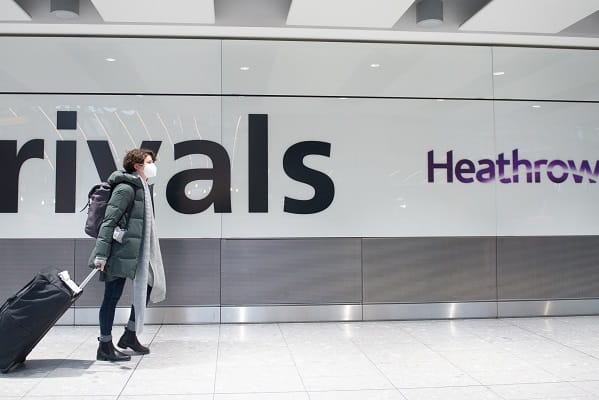
London Heathrow is on the brink of surrendering its long-held status as Europe’s busiest airport after Istanbul closed the gap to just 3,012 passengers, underscoring mounting pressure on the UK’s largest aviation hub.
New figures from Airports Council International (ACI Europe) show Heathrow and Istanbul Airport each handled around 7.12 million passengers in May, leaving Britain’s flagship airport clinging to the top spot by the narrowest of margins.
The data highlights a striking reversal in Europe’s aviation market. While Heathrow’s passenger numbers fell 1.2 per cent compared with a year earlier, Istanbul recorded 2 per cent annual growth, reflecting the Turkish hub’s expanding global network and growing appeal as an international transit gateway.
Heathrow has warned that heightened geopolitical tensions are beginning to affect demand.
The airport said the recent conflict involving Iran and the United States has placed “notable downward pressure” on passenger traffic, with journeys to and from the Middle East falling by around 25 per cent.
Management now expects total passenger numbers for 2026 to decline by 1.1 per cent, a rare setback for an airport that has historically operated close to maximum capacity.
While geopolitical disruption has contributed to weaker demand, Heathrow’s structural constraints remain a longer-term challenge.
Operating with just two runways, the airport has limited ability to accommodate additional flights during periods of rising demand, unlike many of its international competitors.
The narrowing gap with Istanbul is likely to intensify calls for Heathrow’s long-delayed expansion.
The airport’s owners are seeking approval to construct a third runway, arguing that additional capacity is essential if Britain is to maintain its position as a leading global aviation hub.
The proposed expansion would increase Heathrow’s annual capacity to 150 million passengers, compared with the 84.5 million travellers who passed through its terminals last year.
The Government has signalled renewed support for the project.
Transport Secretary Heidi Alexander recently launched a consultation on the revised Heathrow expansion national policy statement, outlining the framework required for planning approval.
Meanwhile, Chancellor Rachel Reeves has pledged to see “spades in the ground” during the current Parliament, with the new runway targeted for completion by 2035.
Should Istanbul overtake Heathrow in the coming months, it would represent more than a statistical milestone.
It would underline the growing shift in global aviation towards rapidly expanding international hubs that benefit from greater capacity, lower operating constraints and stronger connectivity across Europe, Asia and the Middle East.
For Heathrow, the figures reinforce the economic argument long made by airport executives: without additional runway capacity, Britain’s principal international gateway risks gradually losing traffic, investment and strategic importance to faster-growing rivals.
As Europe’s aviation landscape evolves, Heathrow’s position at the top can no longer be taken for granted.




Leave a Comment