
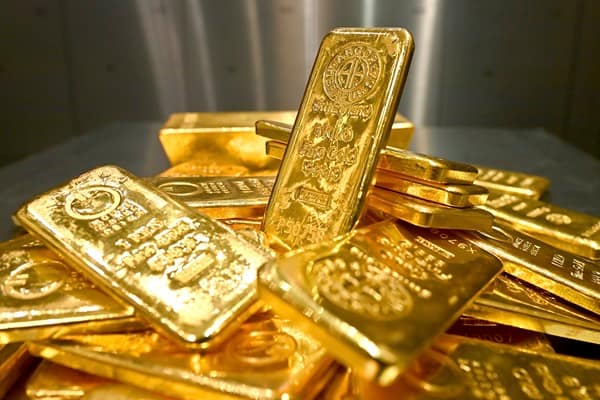
Gold prices are entering a corrective phase after a strong rally, as the market shifts its focus from safe-haven demand to inflation risks and interest-rate expectations.
In the most recent session, gold briefly recovered toward nearly USD 4,600/oz, supported by a temporary weakening of the U.S. dollar. However, the upside remained limited as U.S. Treasury yields and oil prices continued to rise.
The biggest pressure on gold currently comes from U.S. Treasury yields. As the 10-year yield climbed into the 4.5–4.6% range, its highest level since early 2025, the opportunity cost of holding gold also increased. This is one of the key reasons why buying interest in gold has remained limited, even though global risk conditions remain highly uncertain. Against the backdrop of concerns that elevated oil prices could prolong inflationary pressure, investors have become more cautious about the outlook for Fed interest rates.
Geopolitical risks in the Middle East continue to play a two-sided role for gold. On the one hand, tensions related to Iran and key energy regions continue to support defensive demand. On the other hand, if these tensions continue to push oil prices higher, markets may become more concerned that inflation will remain elevated for longer, increasing the likelihood that central banks will maintain a tighter policy stance. This mechanism helps explain why gold has been unable to rally strongly, even though safe-haven demand remains present.
However, the medium-term outlook for gold has not turned completely negative. ETF inflows and central bank gold purchases remain important sources of support. According to the World Gold Council, central banks bought a net 244 tonnes of gold in the first quarter of 2026, up 3% year-on-year, while global gold ETFs recorded net inflows equivalent to 62 tonnes of gold. Although ETF buying slowed compared with the same period last year due to outflows from U.S.-listed funds in March, the data still suggests that demand for gold as a reserve asset and risk-hedging instrument remains intact.
In addition, ETF flows in April showed that European investors continued to increase their gold holdings amid rising geopolitical and energy-related risks. According to the World Gold Council, European gold ETFs recorded inflows of around USD 3.7 billion in April, helping year-to-date flows in the region turn from negative to positive, also at around USD 3.7 billion. This development reflects continued demand for hedging, especially as investors remain concerned about the inflationary impact of a prolonged conflict and upward pressure on energy prices.
In the short term, gold is likely to continue trading cautiously, with the outlook leaning toward correction or consolidation if U.S. yields remain elevated. The main pressure on gold lies in whether markets continue to price in a scenario in which the Fed keeps interest rates higher for longer. If upcoming U.S. economic data continues to show that the economy remains hot, gold could remain under pressure as expectations for rate cuts are pushed further back.
Conversely, if U.S. Treasury yields cool, the U.S. dollar weakens more clearly, or signals emerge that the Fed may adopt a softer stance in upcoming meetings, gold could recover. In that case, safe-haven buying, combined with ETF inflows and central bank reserve demand, could help gold regain momentum. In particular, if geopolitical tensions begin to raise concerns about growth risks rather than only inflation risks, gold may benefit more strongly from its role as a defensive asset.


Leave a Comment