
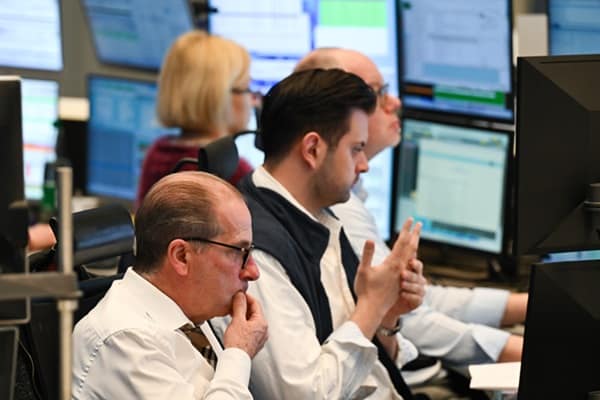
The FTSE 100 edged lower in early trading as investors weighed escalating trade disputes and renewed geopolitical tensions, while a stark warning from the OECD added to concerns over the health of the global economy.
London stocks retreated after the United States threatened fresh tariffs on dozens of countries, raising fears of a new wave of protectionism that could further disrupt global trade and economic growth.
Under the proposals, 54 nations could face duties of 12.5 per cent, while a further six economies, including the European Union, risk tariffs of 10 per cent over allegations of forced labour in supply chains.
The developments came as oil prices climbed after Iranian attacks in Kuwait and Bahrain heightened concerns that instability in the Gulf could persist for longer than markets had previously anticipated. Traders fear any prolonged disruption in the region could threaten energy supplies and reignite inflationary pressures just as central banks seek to bring price growth under control.
The uncertain backdrop overshadowed positive sentiment elsewhere. Japan’s benchmark stock market reached a fresh record high, with the Nikkei 225 propelled by strong gains among semiconductor manufacturers and technology firms benefiting from surging demand linked to artificial intelligence.
The divergence highlights what many investors increasingly describe as a “two-speed” global economy. While AI-related sectors continue to attract enormous capital flows and drive equity markets higher, many countries face slowing growth, weakening trade activity and mounting geopolitical risks.
The OECD has warned that global growth remains vulnerable to rising barriers to trade, persistent inflationary pressures and international conflicts, underscoring concerns that the world economy is becoming increasingly fragmented.
Back in the UK, investors were also monitoring signs of recovery in the retail sector. Turnaround efforts at companies including B&M and Debenhams have shown encouraging progress, offering a rare bright spot for a sector that has faced years of pressure from weak consumer confidence and higher operating costs.
For now, however, global macroeconomic concerns appear to be driving market sentiment, with investors caught between optimism over technological innovation and growing fears that trade wars and geopolitical instability could weigh on growth in the months ahead.


Leave a Comment