
RAF fighter jets were scrambled on Tuesday amid concerns that a Russian long-range bomber was approaching UK airspace, in the latest show of force between Moscow and NATO.
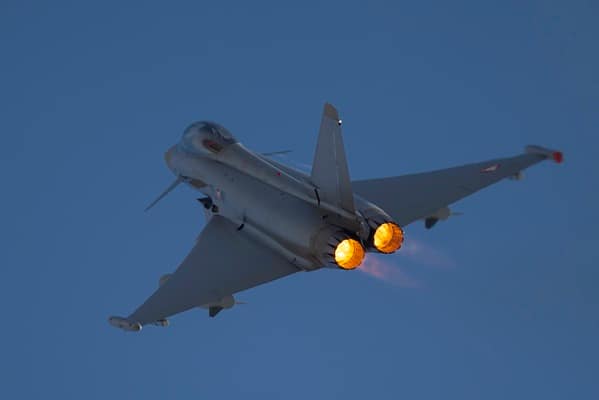
Two Eurofighter Typhoon jets were launched from RAF Lossiemouth, supported by a Airbus Voyager from RAF Brize Norton, after a suspected Russian bomber was detected heading towards the Shetland area.
The aircraft ultimately remained outside British sovereign airspace, meaning no direct interception was required, and the Typhoons were stood down and returned to base. According to reports, the UK’s response formed part of a wider NATO monitoring operation.
Such incidents have become increasingly routine. In 2020, RAF Typhoons intercepted two Tupolev Tu-142 “Bear-F” bombers as they approached UK airspace. These aircraft, part of Russia’s long-range aviation fleet, are capable of carrying nuclear weapons and are often criticised for failing to communicate with civilian air traffic control, posing potential risks to other aircraft.
The latest alert comes amid heightened tensions with Russia. In recent weeks, forces under Vladimir Putin have increased activity near British waters, including the deployment of warships, submarines and intelligence-gathering vessels.
British officials have raised concerns over Russian naval movements through the English Channel, where sanctioned tankers have been escorted by warships. According to defence sources, this marks at least the sixth such transit in the past year, suggesting a growing reliance on the route for strategic deliveries.
Prime Minister Keir Starmer has signalled a tougher stance, reportedly authorising contingency plans involving special forces to seize vessels if required, although no such action has yet been taken.
Meanwhile, Defence Secretary John Healey revealed that British and allied forces recently tracked a Russian Akula-class submarine operating near critical undersea infrastructure in the North Atlantic. The submarine was accompanied by specialist vessels linked to Main Directorate of Deep-Sea Research, believed to focus on undersea surveillance.
Mr Healey suggested the attack submarine may have acted as a decoy while the auxiliary vessels monitored vital energy and data cables. While no damage was reported, the episode has heightened concerns over the vulnerability of undersea infrastructure.
He warned that Moscow may be seeking to exploit wider geopolitical distractions, including tensions in the Middle East, adding that Russia remains “the primary threat to UK security”.


Leave a Comment