
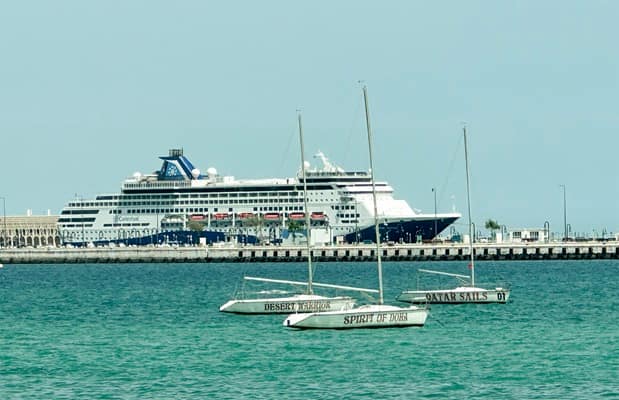
A rare but potentially severe rodent-borne virus has triggered an international health scare aboard a cruise ship, after multiple confirmed infections and several deaths linked to an outbreak of Hantavirus infection.
Health authorities confirmed that at least eight cases have been identified, including five confirmed infections and three suspected, amid fears that further cases could still emerge due to the virus’s long incubation period.
The outbreak, which has been linked to exposure to infected rodent material, has already resulted in multiple fatalities and prompted urgent contact tracing across several countries as passengers and crew are monitored for symptoms.
Hantavirus infection is a group of diseases transmitted primarily from rodents to humans, usually through inhalation of particles contaminated by urine, saliva, or faeces.
Unlike many respiratory viruses, it is not typically spread between people, though rare exceptions have been documented in specific strains.
The illness can initially present with flu-like symptoms before rapidly escalating in severe cases.

Medical experts warn that hantavirus infections can progress quickly, particularly in cases involving the pulmonary form of the disease, in which fluid accumulates in the lungs and respiratory failure can follow.
Symptoms often begin with fever, fatigue, and muscle aches before progressing to breathing difficulties, with hospital treatment frequently required.
There is no specific antiviral cure, meaning care is largely supportive, relying on oxygen therapy and intensive care in severe cases.
Cruise ships and remote expedition vessels are considered particularly vulnerable environments for such outbreaks due to enclosed conditions, stored food supplies and the potential for rodent exposure in ports or coastal stops.
Health officials are investigating how the virus may have been introduced onboard, with early reports suggesting possible exposure during a land excursion prior to boarding.
Authorities in multiple countries are now tracing passengers and contacts who may have been exposed during flights and stopovers linked to the ship’s route.
Several passengers have already been hospitalised, including individuals treated in South Africa and Europe, while others remain under observation.
The World Health Organisation has been monitoring the situation and assessing risk levels, which remain classified as low for the general public despite the seriousness of individual cases.
While hantavirus outbreaks are uncommon, they are taken seriously due to the high mortality rate associated with severe pulmonary cases and the difficulty of early detection.
Public health agencies continue to stress that the risk to the wider population remains limited, but caution is being urged in environments where rodent exposure may occur.
As investigations continue, attention is now focused on identifying the exact source of the outbreak and preventing further spread among those who were on board.


Leave a Comment