
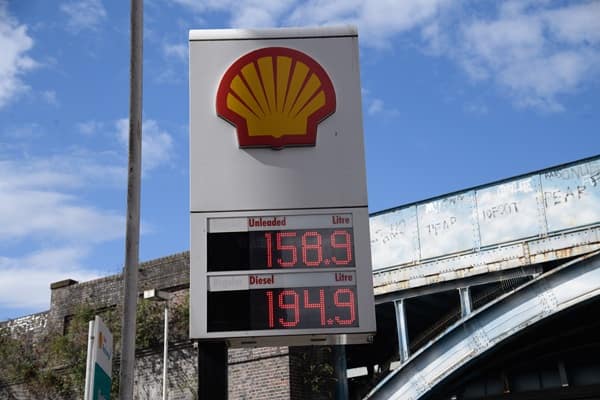
UK inflation has climbed to its highest level since December after a sharp rise in petrol and diesel costs driven by the Middle East conflict, according to official figures.
Data from the Office for National Statistics (ONS) showed Consumer Prices Index (CPI) inflation rose to 3.3% in March, up from 3% in February, in line with economists’ expectations.
The increase was largely fuelled by a steep jump in motor fuel prices, which surged by 8.7% month-on-month — the biggest rise since June 2022, shortly after Russia’s invasion of Ukraine.
Petrol prices rose by 8.6p per litre between February and March to 140.2p, the highest level since August 2024, while diesel climbed by 17.6p to 158.7p per litre, marking its highest price since November 2023.
Chief economist Grant Fitzner of the ONS said: “Inflation climbed in March, largely due to increased fuel prices, which saw their largest increase for over three years.
“Air fares were another upward driver this month, alongside rising food prices.
“The only significant offset came from clothing costs, where prices rose by less than this time last year.”
Chancellor Rachel Reeves said the crisis in Iran was “not our war, but it is pushing up bills for families and businesses”, highlighting the global nature of the inflationary pressures now feeding into the UK economy.
Beyond fuel, air fares also drove inflation higher, rising by 14.5% compared with a year earlier — the sharpest increase since last summer — partly linked to the earlier timing of Easter.
Food and non-alcoholic drink prices also accelerated, with inflation rising to 3.7% year-on-year in March from 3.3% previously. Prices for items such as sweets and chocolates rose particularly quickly, up 10.6% over the year.
However, not all sectors contributed to the upward pressure. Clothing and footwear prices fell by 0.8% during the month, with discounting activity helping to push inflation in the category to its lowest level since March 2021.
The rise in overall inflation moves the UK further away from the 2% target set by the government and the Bank of England, complicating the outlook for interest rates and the wider economy.
Ms Reeves said the Government was taking action to shield households from rising costs, adding: “We’re acting to protect people from unfair price rises if they occur to bring down food prices at the till, and are boosting long-term energy security — building a stronger, more secure economy.”
The latest figures underline the renewed pressure on households, with energy costs once again emerging as the dominant force shaping Britain’s inflation outlook.


Leave a Comment