
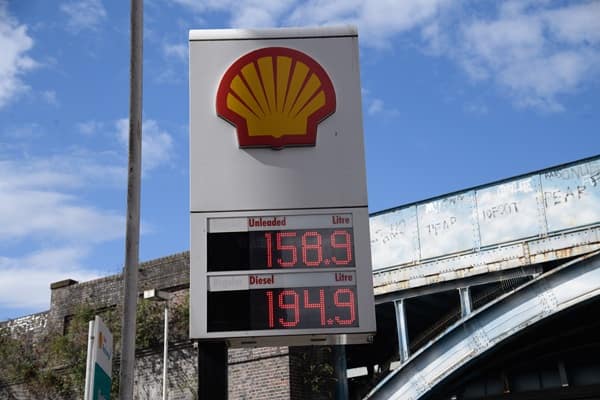
UK inflation is expected to have climbed sharply last month, as higher fuel prices linked to Middle East tensions begin to filter through to households and businesses, according to analysts.
Official figures from the Office for National Statistics (ONS) will be released on Wednesday and are forecast to show the Consumer Prices Index (CPI) rising to 3.3% in March, its highest level since December.
The anticipated increase reflects renewed pressure on household budgets driven by surging oil and fuel costs, which economists say are increasingly being shaped by the fallout from the conflict involving US-Israeli and Iranian forces.
The Bank of England has already warned that inflation is likely to accelerate further in the coming months, with projections suggesting it could reach around 3.5% by the third quarter of the year.
Earlier forecasts from the central bank had suggested inflation would fall back below its 2% target in April, but that outlook has been overtaken by events as energy markets react to geopolitical instability.
The International Monetary Fund has also cautioned that renewed energy price shocks could push UK inflation towards 4%, double the Bank of England’s target and a level that would complicate any near-term easing in monetary policy.
The latest inflation reading will be the first ONS release to fully reflect higher petrol and diesel prices since the outbreak of conflict. Data from the RAC showed petrol prices averaged 158.1p per litre in mid-April, around 25p higher than at the start of the conflict, while diesel prices rose to 191.2p per litre, up nearly 50p over the same period.
Economists at Oxford Economics estimate that the surge in fuel costs alone could add between 0.2 and 0.3 percentage points to March inflation, underscoring the sensitivity of UK prices to global energy shocks.
The rise in inflation risks complicates the outlook for households already grappling with persistent cost pressures and is likely to intensify debate over the timing of any future interest rate cuts.
For now, attention will turn to Wednesday’s data — and whether Britain is entering a fresh inflationary squeeze driven once again by events far beyond its control.


Leave a Comment