
The closure of the Strait of Hormuz could have far-reaching consequences for the global supply of petrol and diesel, significantly impacting both Europe and other regions.
The Strait of Hormuz is one of the world’s most critical oil transit routes, vital to the global oil supply chain.
Approximately 20% of the world’s crude oil trade passes through this narrow waterway, translating to around 21 million barrels of oil per day.
This volume includes substantial shipments from major oil-producing nations, including Saudi Arabia, Iran, Iraq, and the United Arab Emirates (UAE). Essentially, any disruption at this chokepoint poses a threat not only to the exporting countries’ economies but also to consumer markets worldwide.
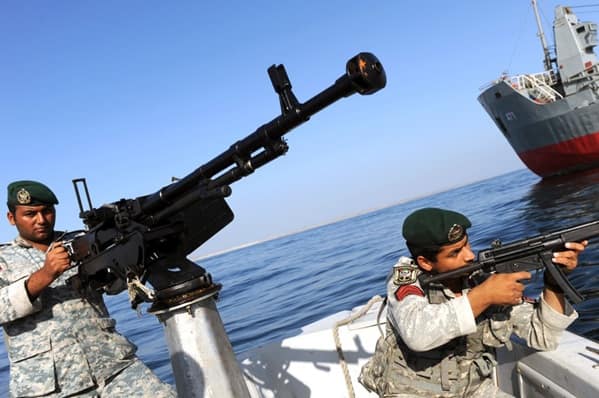
As the Strait of Hormuz is closed due to military conflict, oil tankers are unable to access this critical route for fear of being fired upon by the Iranian Revolutionary Guard Corps (IRGC).
This is currently preventing the delivery of crude oil to refineries located in Europe, Asia, and the United States.
The resulting scarcity of crude oil has led to a rapid increase in global oil prices, possibly within just a few days, and major oil producers have announced force majeure of contracts amid Iranian attacks across the Middle East.
Historical events, such as heightened tensions between the US and Iran in 2019 and 2020, illustrate how swiftly market reactions can unfold when access to this strait is threatened.
The crude oil transported through the Strait of Hormuz is primarily refined into various fuel products, including petrol, diesel, and jet fuel.
The blockage is leading to a significant drop in refinery inputs, which in turn would cause a noticeable shortage of these essential fuels at petrol stations.
This situation would be particularly acute for diesel fuel, which is heavily imported by countries like the UK. As demand outstrips supply, consumers would likely face rising pump prices, which could cascade into higher transportation and logistics costs across numerous sectors.
The G7 nations have discussed the possibility of coordinated reserve releases to stabilise markets. However, it is important to note that these reserves are finite and may not be sufficient to fully offset the implications of a prolonged closure. Additionally, such measures would only serve as a temporary fix, and the long-term consequences of reduced oil availability would still loom over the market.
In conclusion, even a brief closure of the Strait of Hormuz has led to soaring fuel prices, and there could be diminished availability of petrol and diesel, particularly in nations that depend heavily on imported fuels in the near future.


Leave a Comment