
The United Arab Emirates has withdrawn from OPEC and the wider OPEC+ group in a dramatic escalation of tensions across global energy markets, dealing a blow to the cartel and its de facto leader, Saudi Arabia.
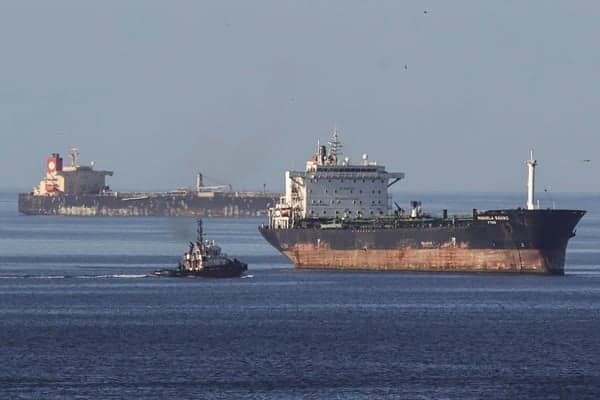
The surprise exit comes against the backdrop of intensifying conflict between the United States and Iran, which has effectively shut down shipping through the strategically vital Strait of Hormuz — a corridor responsible for around 20pc of global oil exports.
The disruption has already sent energy prices sharply higher, with markets rattled by fears of prolonged supply constraints and escalating geopolitical risk.
Despite being a long-standing member of Opec, the UAE’s departure signals growing strain within the oil-producing bloc at a time when coordinated output policy is under intense pressure.
UAE energy minister Suhail Mohamed al-Mazrouei said the decision followed a review of the country’s long-term production strategy, insisting it was a sovereign policy choice rather than a reaction coordinated with other members.
“This is a policy decision… after a careful look at current and future policies related to the level of production,” he said, adding that the move was not discussed in advance with other countries, including Saudi Arabia.
Officials suggested the immediate impact on oil markets may be limited due to ongoing disruptions in the Strait of Hormuz, which are already constraining exports from Gulf producers regardless of formal output agreements.
However, analysts warn the symbolic impact could be far more significant, raising questions about cohesion within Opec+ and the ability of major producers to act in concert during a period of extreme market volatility.
The exit also underscores broader regional tensions, with Anwar Gargash criticising the wider Arab and Gulf response to Iranian actions, highlighting fractures in regional alignment, GB News reported.
With oil markets already on edge, the UAE’s decision risks adding further instability to an energy system grappling with conflict, disrupted supply routes and uncertain diplomatic prospects.
Gargash said: “The Gulf Cooperation Council countries supported each other logistically, but politically and militarily, I think their position has been the weakest historically.
I expect this weak stance from the Arab League and I am not surprised by it, but I haven’t expected it from the (Gulf) Cooperation Council and I am surprised by it.


Leave a Comment