
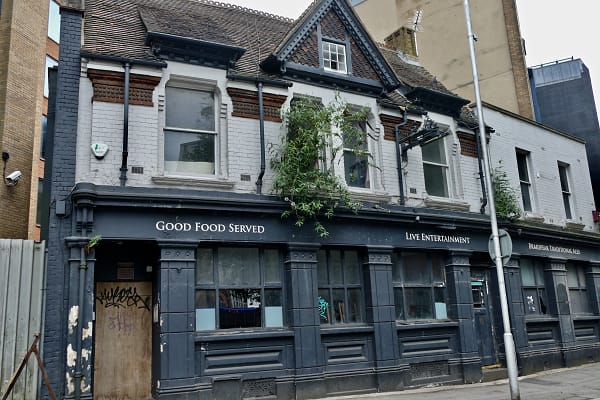
Britain’s pub industry is warning that thousands more venues could disappear by the end of the decade unless ministers tackle what operators describe as a fundamental flaw in the business rates system.
The British Beer and Pub Association estimates that around 2,300 pubs could close by 2029-30, despite recent government measures designed to ease pressure on the hospitality sector. The forecast highlights the fragile state of an industry that has spent years battling rising costs, changing consumer habits and weak economic growth.
The warning comes as closures continue at a striking pace. According to industry figures, two pubs have been shutting their doors every day since the beginning of 2026, underscoring concerns that temporary relief measures are failing to address deeper structural problems.
Labour’s support package has provided some respite. A 15 per cent reduction in business rates this year, combined with a planned freeze from 2027, is expected to save the sector hundreds of millions of pounds over the coming years.
Yet industry leaders argue that these measures merely delay a reckoning.
Unlike most commercial properties, whose rates are linked to rental values, pubs are assessed according to turnover. As a result, successful venues can face significantly higher tax bills simply because they attract more customers. Operators argue the system effectively penalises investment and growth at a time when the sector is being encouraged to modernise and diversify.
The Treasury is expected to review valuation methods as part of wider business rates reforms. However, pub groups fear the process could ultimately produce only cosmetic changes while leaving the core methodology intact.
For large operators, the issue has become increasingly important. Companies have spent years investing in food offerings, accommodation, entertainment and family-focused facilities to broaden their customer base. Yet higher revenues often translate into higher tax liabilities, reducing the incentive to invest further.
The debate also reflects broader questions about the future of Britain’s high streets and local communities. Pubs remain among the country’s most important social institutions, particularly in rural areas and smaller towns where alternative community spaces are limited.
Industry executives argue that each closure has consequences beyond lost jobs and tax revenues. The disappearance of local pubs can reduce footfall for neighbouring businesses and weaken already fragile town centres.
The Government maintains it is supporting hospitality through business rates relief, tax measures and efforts to stimulate consumer spending. Ministers argue that easing cost-of-living pressures will ultimately benefit pubs alongside other consumer-facing businesses.
However, operators remain sceptical. Many point to rising wage costs, higher energy bills and increased regulatory burdens as evidence that relief measures are being quickly absorbed by new expenses.
The industry’s concern is that without meaningful reform, the current cycle will simply repeat itself. Temporary support may slow the pace of closures, but it is unlikely to reverse a long-term decline.
For policymakers, the challenge is increasingly clear. If Britain’s pubs continue disappearing at the current rate, the debate will shift from how to support the sector to how much of it can realistically be saved.


Leave a Comment