
Britain’s growing welfare bill is set to become one of the defining economic battles of Andy Burnham’s premiership, with opposition figures warning that rising spending could leave future governments with little room beyond higher taxes or deeper borrowing.
The row has intensified after the appointment of John Healey as Chancellor, with Reform UK accusing him of having a long record of resisting cuts to benefits and warning that the Treasury faces a looming spending challenge.
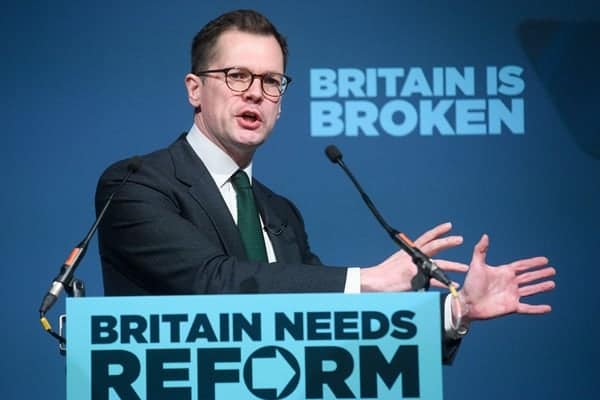
Robert Jenrick, Reform’s choice for a future chancellorship, claimed Britain was approaching a “breaking point” and pledged to reduce welfare spending in order to create room for tax reductions.
“The country cannot continue on this path,” Reform argues, pointing to official forecasts showing welfare spending continuing to climb over the coming years.
The Office for Budget Responsibility expects welfare spending to rise significantly by the end of the decade, with increases largely driven by pensioner payments and health-related benefits.
For the next government, the dilemma is stark.
An ageing population, rising numbers claiming disability-related support and pressures on public services are pushing spending higher at a time when governments are already facing demands for improved infrastructure, defence and economic investment.
The question confronting ministers is whether the answer should be higher taxes, spending restraint, or a fundamental redesign of the welfare system.
Reform has placed welfare reform at the centre of its economic message, arguing that tighter controls are necessary to protect taxpayers and reduce the burden on working households.
The party has called for measures including restoring the two-child benefit cap as part of a wider package it says could deliver tens of billions of pounds in savings.
Labour, however, has historically been more cautious about benefit reductions, warning that cuts can hit vulnerable families and worsen economic pressures.
That divide places Healey in the centre of one of Westminster’s most politically sensitive debates.
Before taking control of the Treasury, Healey served in several senior Labour roles and has previously criticised Conservative-led welfare reductions.
Opponents have highlighted past comments in which he argued that cuts to benefits and tax credits contributed to pressure on household incomes.
Reform says those positions demonstrate that the new Chancellor is unlikely to pursue the scale of welfare reform it believes is necessary.
Supporters of Healey’s approach would argue that managing public finances requires balancing spending reductions with protecting those most dependent on state support.
For Burnham’s government, the welfare debate represents a broader economic challenge.
Defence commitments, public service pressures and demands for tax relief are all competing for limited funds. Every pound committed to one priority reduces flexibility elsewhere.
The battle over benefits is therefore not simply about welfare.
It is about the size and role of the state, who should pay for it, and whether Britain can continue funding rising commitments without a major change in its economic model.
With spending pressures intensifying, the Treasury’s next decisions could define not only Healey’s reputation as Chancellor but the entire direction of the new government.
Mr Jenrick told the Express: “John Healey is another establishment politician that has spent his career supporting more welfare spending. The country is now at breaking point. Unless this problem is fixed, the benefits bill is set to bankrupt Britain and force taxes even higher.
“Reform UK will restore fairness to our benefits system by reinstating in-person assessments and the two child benefit cap, so we can lower taxes on hard-pressed families. We will fight Burnham’s coming tax assault every step of the day. If he wants to raise taxes even higher, he should call a general election and see what the British people make of it.”
A Treasury spokesperson said: “So far this week the Chancellor has cut tax on electricity bills and cut business rates on pubs; paid for by changing where taxpayer money will be spent, including scrapping digital ID and using funds from the department for energy and net zero. This is the way to build a new economy.”


Leave a Comment