
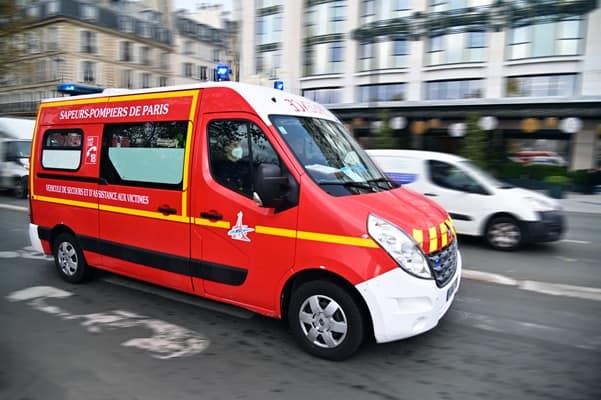
A brutal heatwave sweeping across Europe has pushed Paris into crisis mode, with authorities banning street drinking, cancelling major events and warning that hospitals are reaching breaking point as temperatures soar towards 40C.
The French capital has introduced emergency restrictions on alcohol consumption in public places as officials attempt to reduce pressure on overstretched medical services.
Paris police chief Patrice Faure warned that drinking alcohol under extreme heat could have “devastating” consequences as emergency departments struggle with a surge in heat-related admissions.
“We are reaching a saturation point in hospital facilities,” he said.
The restrictions mean people are banned from buying alcohol from shops and drinking it outdoors, including along popular locations such as the city’s canals and the River Seine.
The ban applies from midday until 7am the following morning, with takeaway alcohol sales from shops and supermarkets also restricted during evening hours.
Bars, restaurants and cafés remain exempt, allowing customers to continue ordering drinks inside licensed venues.
The dramatic measures come as Paris recorded a record-breaking June temperature of 40.9C, with the heatwave continuing to place huge pressure on emergency services.
French health officials revealed ambulance teams recorded cardiac arrests at four times the normal rate during one 24-hour period, with younger people among those affected.
Emergency services in Paris are now handling around 2,500 calls a day — roughly double the usual level — with many incidents linked to dehydration, heat exhaustion and serious medical complications.
Hospitals across France are operating under intense pressure, with reports of patients being treated in corridors as capacity is stretched.
The crisis has also forced organisers to cancel major public events, including Paris Pride and the Solidays music festival, which normally attract hundreds of thousands of visitors.
Officials said the decision was taken to protect public health as temperatures remained dangerously high.
Across France, more than 44 million people have been placed under the highest red heat alert, covering a significant majority of the population.
The extreme weather has also been linked to deaths and serious incidents, including drownings and children being found in overheated vehicles.
Meanwhile, the heatwave is spreading across Europe, with cities including Rome, Milan and Naples placed under heightened warnings as temperatures approach the mid-30s.
The crisis has highlighted growing concerns over how major cities cope with increasingly frequent periods of extreme heat.
With forecasts suggesting the dangerous conditions could continue for several days, authorities are urging people to stay hydrated, check on vulnerable relatives and avoid unnecessary exposure during the hottest periods.
Paris, usually packed with tourists and outdoor gatherings, is now facing a stark reality: a summer heatwave powerful enough to shut down parts of normal city life.



Leave a Comment