
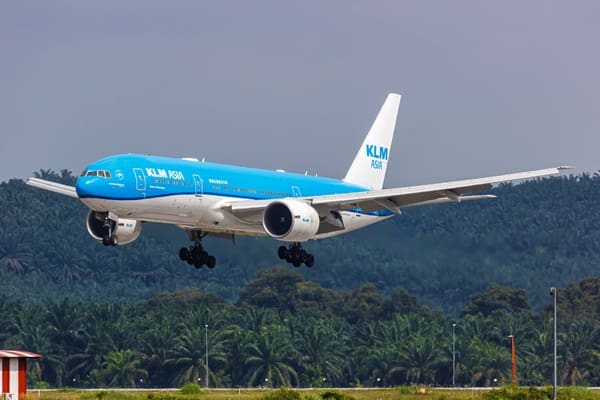
A widening aviation disruption is emerging as airlines are forced to cancel services in response to soaring fuel costs and tightening supply, with the conflict in the Middle East sending shockwaves through global transport networks.
Cathay Pacific has announced it will cancel hundreds of passenger flights in early summer, citing a sharp rise in operating costs driven by surging jet fuel prices.
The carrier confirmed that around two per cent of its scheduled services will be suspended between May 16 and June 30, affecting thousands of passengers across regional and long-haul routes.
The airline, which normally operates more than 10,000 flights per month, said the decision was a “last resort”, with escalating fuel costs linked directly to instability in the Gulf and restricted shipping flows through the Strait of Hormuz.
In a statement, Cathay said: “All affected customers will be offered protection onto flights departing within 24 hours of their originally scheduled flights.
“The ongoing volatile situation in the Middle East continues to negatively impact the price of jet fuel placing huge cost pressure on airlines around the world,” the Mirror reported.
The strait is one of the world’s most important energy chokepoints, carrying more than a fifth of global oil and gas supplies. Since the outbreak of hostilities in the region, shipping has been severely curtailed, contributing to a spike in global jet fuel prices and emerging shortages across aviation markets.
Other carriers are also scaling back operations. Air New Zealand, SAS and United Airlines have all announced reductions in scheduled flights, while smaller operators have begun cancelling routes entirely as margins come under pressure.
United Airlines CEO Scott Kirby warned, it is “entirely possible that parts of Asia are just going to run out of fuel.
In the UK, regional operator Skybus has suspended its Cornwall–London service, citing weakening demand and rising fuel costs.
Industry bodies are warning that the situation could deteriorate further. The Airports Council International Europe (ACI Europe) said jet fuel reserves are “dangerously low” and could be exhausted within weeks if disruption to the Strait of Hormuz continues.
The group warned that without a “stable resumption” of shipping through the waterway within three weeks, the aviation sector could face a systemic fuel shortage.
The Strait of Hormuz has become a focal point of concern since tensions escalated in late February, when conflict in Iran disrupted maritime traffic and triggered a rapid escalation in energy prices.
With airlines now cutting capacity and warning of further reductions, analysts say the sector is entering a period of sustained cost pressure that could reshape summer travel schedules across multiple regions.


Leave a Comment