
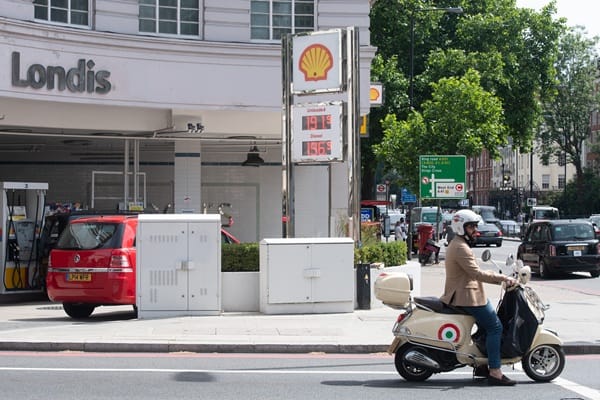
UK diesel prices have reached a record high, with the average cost at forecourts approaching £2 a litre as the US-Iran conflict drives another surge in fuel costs and threatens to feed through into transport and consumer prices.
The average price of diesel has risen to 199.18p a litre, according to the RAC, surpassing the previous UK record of 199.09p recorded in June 2022 following Russia’s invasion of Ukraine.
The latest increase means diesel is now almost twice as expensive as it was a decade ago. In February 2016, motorists paid an average of 100.19p a litre.
For a family-sized car with a 55-litre tank, filling up now costs about £109.54, adding to pressure on household finances and businesses dependent on road transport.
Simon Williams, head of policy at the RAC, described the latest increase as a “financial blow” for motorists and companies reliant on vehicles.
Since the start of the US-Iran war on February 28, the average diesel price has climbed from 142.38p a litre to 199.18p — an increase of almost 40 per cent. The cost of filling a typical tank has risen by roughly £31 over the same period.
Williams said the latest record marked a new phase for the UK fuel market.
“By eclipsing the previous highest price of 199.09p seen in June 2022, the diesel price has entered new uncharted territory,” he said.
“This spells pain not only at the pumps for drivers, but for everyone who buys goods or services that rely on diesel lorries and vans; undoubtedly, these increased costs will be passed on to consumers.”
Petrol prices have also risen sharply, although they have not yet reached a new record. Unleaded is averaging 174.13p a litre, according to the RAC, putting the cost of filling a 55-litre tank at almost £96.
The increases underline the exposure of the UK economy to movements in global energy markets. Oil prices have remained above $100 a barrel in recent weeks as fighting between the US and Iran disrupts expectations over supply and raises uncertainty around future shipments.
Williams said the UK was particularly “exposed” to fuel price shocks and warned that prices at the pump were unlikely to fall materially without a prolonged decline in crude oil prices.
Only a “sustained” period of lower oil prices would encourage forecourts to reduce prices, he said, while the continuing conflict could make such a decline less likely.
The record diesel prices are increasing pressure on the government to intervene through fuel duty.
Motoring groups, politicians and motorists have called for further reductions as households and businesses absorb higher transport costs.
Former prime minister Keir Starmer announced earlier this year that planned fuel duty increases would be paused for the remainder of 2026, although the rate is scheduled to rise by 3p a litre in January 2027.
The RAC has called for further action.
“As things stand, another 5p a litre will be loaded onto pump prices by the Spring if the current fuel duty cut is fully reversed as planned,” Williams said.
“VAT receipts from fuel are also extremely high, so drivers will be watching this coming week’s Labour Party Conference, and October’s Budget, very carefully indeed.”
Prime Minister Andy Burnham has said motorists will have to “wait until the Budget” to discover whether Chancellor John Healey will act on fuel duty.
The Department for Energy Security and Net Zero said: “We have a diverse and resilient supply. We continue to engage with our international partners and the UK fuel industry.”


Leave a Comment