
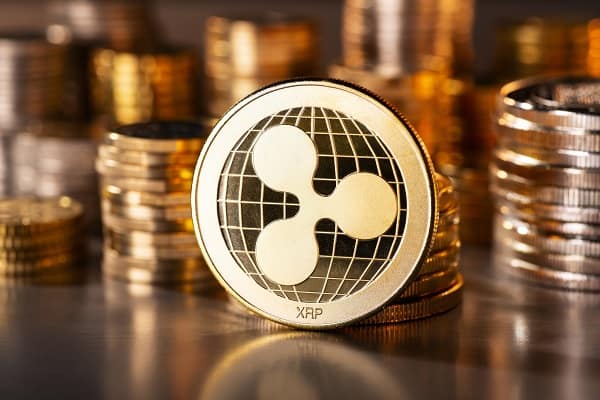
The XRP price reflects more than intraday speculation—it compresses liquidity conditions, regulatory expectations, utility demand in cross-border payments, and broader risk appetite. For readers tracking live moves, the most efficient way to check the xrp price is via a real-time market page and then layer on the drivers below to understand why it’s moving.
Key drivers of the XRP price
- Liquidity & market structure. XRP tends to amplify broader crypto cycles. When Bitcoin dominance rises in risk-off phases, altcoins can underperform; in risk-on stretches, XRP can catch strong rotation. Watch order book depth, derivatives funding, and open interest to gauge whether breakouts might extend or fade.
- Utility and payment corridors. XRP’s core narrative is efficient, low-latency value transfer—especially for cross-border payments and treasury flows. Expanding corridors, exchange liquidity, and enterprise integrations can strengthen the medium-term case for XRP price resilience.
- Regulatory signals. Policy clarity tends to compress risk premiums. Conversely, legal uncertainty widens bid-ask spreads and increases volatility. The XRP price often reacts to headlines that alter perceptions of token classification, disclosure standards, or listing requirements.
- Macro backdrop. Rates, the U.S. dollar (DXY), and growth expectations influence crypto as an asset class. Looser financial conditions and improving risk sentiment generally support altcoin liquidity.
Policy snapshot: U.S. and other English-speaking markets
United States. Crypto policy is evolving through enforcement, rulemaking, and court interpretations. Key themes include token classification, exchange registration pathways, stablecoin frameworks, and custodial standards. Federal clarity reduces uncertainty, but state regimes (e.g., money transmitter requirements) still matter. Result: policy headlines can quickly re-price the XRP price through shifts in perceived legal risk.
Canada. Canadian Securities Administrators (CSA) guidance requires registration/undertakings for platforms, with controls on leverage, marketing, and certain asset approvals. Exchanges adapt listings, risk disclosures, and client-asset protections—factors that shape liquidity and investor access for XRP.
United Kingdom. The Financial Conduct Authority (FCA) enforces strict marketing and consumer-protection rules, with an emphasis on fair promotions and risk warnings. Stablecoin and market-abuse regimes are maturing. Clearer guardrails can improve institutional comfort while demanding higher compliance standards.
European Union (for comparison). While not an English-only region, many EU investors consume English content. The Markets in Crypto-Assets (MiCA) framework introduces licensing and transparency obligations, aiming to harmonize rules and elevate trust—conditions that can narrow spreads for large-cap tokens like XRP.
Singapore. The Monetary Authority of Singapore’s approach blends innovation with risk controls: licensing under the Payment Services Act, capital/segregation requirements, and guardrails for retail engagement. High compliance bars may support healthier liquidity over time.
News and narrative themes that often move the XRP price
- Legal and regulatory milestones. Court decisions, agency guidance, or legislative steps that shift token-classification risk can move XRP swiftly.
- Enterprise or fintech integrations. Announcements that expand real-world payment rails or liquidity networks tend to support the medium-term thesis.
- On-chain and market structure data. Rising active addresses, improving exchange liquidity, or shifts in derivatives positioning can foreshadow trend changes.
- Escrow and supply cadence. Market participants monitor expected token releases and circulating supply dynamics when assessing XRP price sustainability.
How to analyse the XRP price like a pro (repeatable Process)
A) Top-down trend check
- Identify the higher-timeframe structure (weekly/daily trend, key moving averages).
- Map nearby support/resistance from prior swing highs/lows and high-volume nodes.
B) Liquidity & derivatives
- Track order book depth, spot-to-perp basis, funding rates, and liquidation clusters.
- Rising open interest with balanced funding may confirm trend strength; crowded one-sided positioning raises reversal risk.
C) On-chain & flow signals
- Monitor active addresses, transfer volume, and exchange inflows/outflows for hints of accumulation or distribution.
- Watch wallet concentration: changes in large-holder behavior can precede volatility.
D) Regulatory calendar awareness
- Keep a lightweight diary of key hearings, comment deadlines, or rulemaking milestones in the U.S., Canada, UK, and Singapore.
- Expect wider spreads and slippage around policy events; size positions accordingly.
Practical risk management for XRP
- Volatility budgeting. Size positions so a typical XRP price swing doesn’t exceed your daily risk tolerance.
- Scenario planning. Define invalidation levels, profit-taking rules, and what you’ll do if liquidity thins.
- Venue quality. Use platforms with robust custody, clear disclosures, and deep order books to minimize execution risk.
- Time horizon discipline. Separate short-term trades from long-term theses to avoid mixing signals.
Quick FAQ
What is XRP used for? A digital asset designed for fast settlement and efficient value transfer, with a focus on cross-border payments and liquidity.
Is XRP the same as Ripple? No. XRP is the digital asset; Ripple is a company that develops software and solutions that can interact with XRP and other rails.
Why does the XRP price move on regulation headlines? Because legal clarity (or uncertainty) changes perceived risk, liquidity, and the willingness of platforms and institutions to participate.
The above information does not constitute any form of advice or recommendation by London Loves Business and is not intended to be relied upon by users in making (or refraining from making) any finance decisions. Appropriate independent advice should be obtained before making any such decision. London Loves Business bears no responsibility for any gains or losses.


Leave a Comment