
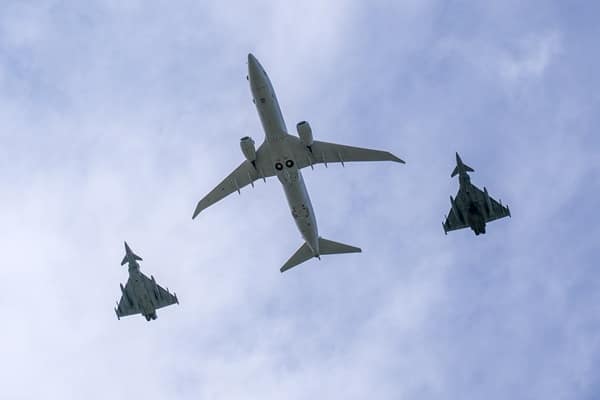
Travellers are being shown their rights if they choose to cancel their travel plans due to the escalating conflict in the Middle East.
The events of the past week have sparked travel chaos on a global scale, with thousands of flights cancelled as airspace in the region remains highly restricted.
Tens of thousands of UK citizens remain stranded in Gulf countries, seeking shelter and awaiting evacuation.
Planes from UK airports to parts of the Middle East have been grounded, while easyJet and British Airways have also cancelled flights between the UK and Cyprus.
With so much uncertainty around international travel, anxious holidaymakers need to be aware of what to expect should they wish to call off their trip due to safety concerns.
While most standard travel insurance policies include cancellation cover, which provides protection against unforeseen circumstances such as sudden illness or the death of a close relative, coverage for disruption caused by acts of war is usually excluded.
Unfortunately, this means typical policies will not provide cover for holidaymakers who have changed their minds and no longer wish to travel – known in insurance terms as ‘disinclination to travel’- and providers will not normally pay out.
There is an exception when the UK Foreign, Commonwealth & Development Office (FCDO) issues advice against travel to a destination, as is currently the case in many of the Gulf countries impacted by the war.
In this situation, travel providers should offer a full refund or alternative holiday arrangements. Anyone choosing to visit an area against FCDO advice will likely invalidate their travel insurance.
Some specialist insurers offer high-risk policies that could cover those travelling against government advice, providing medical protection or emergency evacuation. Still, these are typically used by groups such as journalists, humanitarian workers or business travellers rather than holidaymakers – and travellers need to check the policy details very carefully to see what is and isn’t covered.
Ian Wilson, travel insurance expert and Managing Director at CompareNI.com, said it was important for travellers not to cancel their booking, as they risk losing their legal rights to a refund.
He added: “It is understandable that many people will have serious concerns about travelling due to the volatile situation in the Middle East and may be thinking of cancelling trips they have booked.
“Even if you are not travelling to the countries affected by the conflict, you may still have reservations about visiting neighbouring countries such as Turkey or Cyprus.
“However – unless the UK Foreign Office has issued official advice against travel to your chosen destination – you will most likely be left out of pocket if you choose to cancel, as tour operators or insurance providers are not obligated to refund you for having a change of heart.
“In short, if you decide you no longer want to travel but the provider says the trip can still go ahead, you will have limited grounds to seek reimbursement.
“It is sensible not to cancel your booking straight away, as the advice from the FCDO may change. If your destination is declared unsafe and your flight is cancelled by the airline, they are obligated to issue either a full refund or provide an alternative flight.
“The key thing is keep a close eye on the FCDO website and your chosen airline for travel updates related to your destination.”
CompareNI.com can help travellers with tips and guides.


Leave a Comment