
In a city where time is scarce and performance is everything, golf is quietly experiencing a resurgence among London’s professionals. Once seen as a sport reserved for weekends and countryside courses, it is now becoming an increasingly common part of the working week for those based in the capital’s financial districts.
The growth of indoor, technology-led venues in central London is reshaping how busy professionals engage with the game, making it more accessible, measurable and aligned with the performance-driven culture of the City.
Across areas such as Moorgate, Liverpool Street and Bank, indoor golf spaces are emerging that allow professionals to practise, train and improve without needing to leave central London.
These venues are not simply about hitting balls; they are designed around performance, efficiency and measurable improvement. As working patterns evolve and people seek ways to integrate sport into demanding schedules, indoor golf is becoming a practical and appealing solution.
Golf’s renewed appeal among City professionals
Golf has long held a place in the world of business. It is associated with networking, relationship building and time spent away from the desk. But in recent years, its appeal has broadened beyond the traditional four-hour round. Professionals are increasingly viewing golf as a form of personal performance training, something that sharpens focus, improves decision-making and provides a valuable mental reset from high-pressure roles.

Project Golf
In financial and professional services environments, where performance metrics and data-driven thinking are part of everyday work, golf offers a unique parallel. It demands concentration, discipline and consistency. It also provides a structured way to step away from screens while still engaging in an activity that rewards precision and improvement. As a result, more professionals are investing time in developing their golf skills, not only for leisure but as part of a broader approach to personal performance.
The time challenge in London
Despite growing interest in the sport, London has always presented practical challenges for golfers. Traditional practice requires travel to courses or driving ranges on the outskirts of the city, often involving significant time commitments. For professionals working long hours in central London, this can make regular practice difficult to sustain.
Weather is another factor. British winters and unpredictable conditions can disrupt outdoor practice and limit opportunities to play consistently. For those trying to improve their game, irregular practice often leads to slow progress and frustration. The result is that many people who want to play golf struggle to maintain momentum.
Indoor golf facilities in central London are addressing this problem directly. By bringing high-quality practice environments into the heart of the financial district, they remove the need for long journeys and allow golfers to integrate practice into their daily routines. A lunchtime session, an early morning practice or an after-work lesson becomes entirely feasible when the facility is within walking distance of the office.

Project Golf
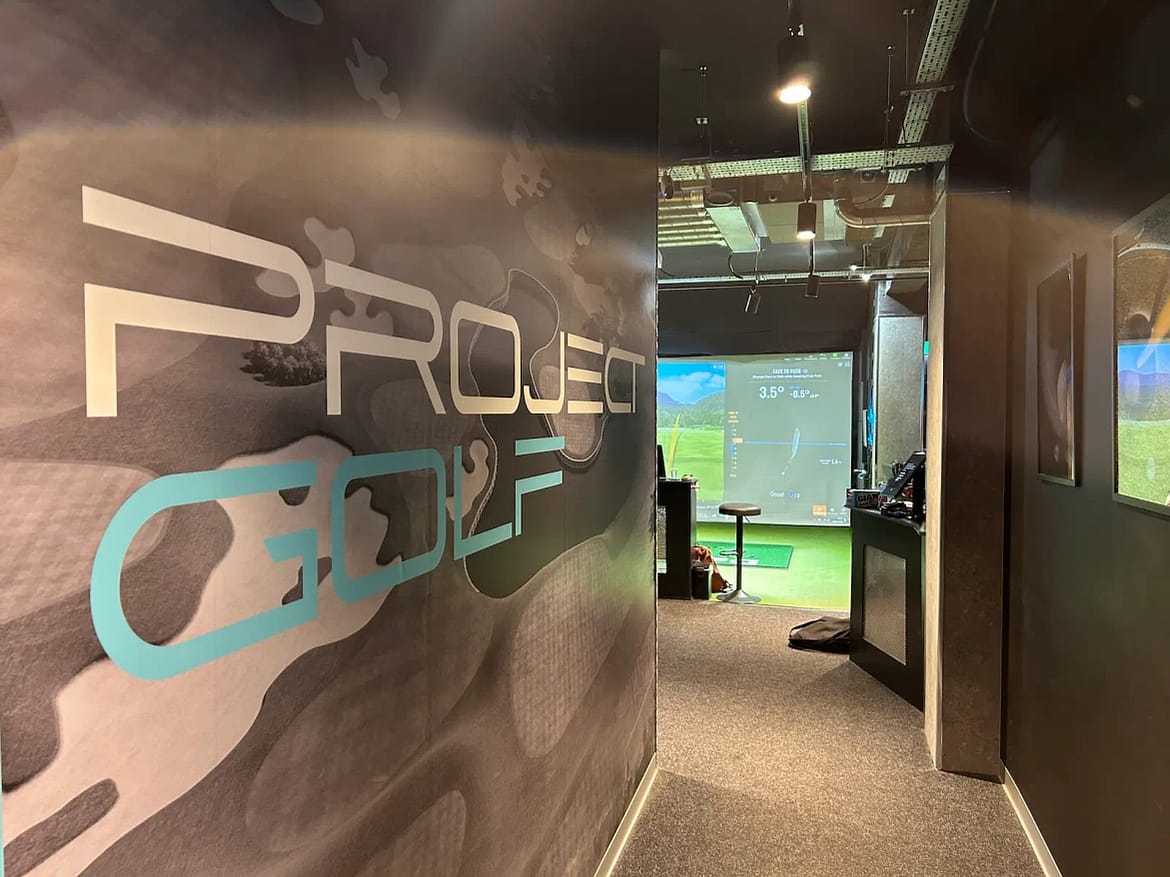
One example is Project.Golf, a performance-focused indoor golf centre based in Moorgate. Its location in the City reflects the shift towards convenience and accessibility. Professionals can now practise or train without leaving central London, making it far easier to commit to consistent improvement.
Technology is reshaping how people learn golf
The rise of indoor golf is closely tied to advances in technology. Modern simulator systems, particularly TrackMan, provide detailed data on every aspect of a golf shot. Club speed, ball speed, launch angle and spin rate can all be measured instantly, giving players a clear understanding of what they are doing and how they can improve.
This data-driven approach resonates strongly with professionals in sectors such as finance, law and technology. Many are accustomed to working with metrics and performance indicators in their day-to-day roles. Applying the same mindset to sport feels natural. Instead of relying on guesswork, players can see exactly what needs to change and track their progress over time.
Structured coaching is also evolving alongside this technology. Rather than occasional tips or informal practice, golfers are increasingly seeking professional guidance supported by data and analysis. Taking structured golf lessons in London within an indoor environment allows players to make faster, more measurable progress. With consistent feedback and clear performance benchmarks, improvement becomes more tangible and motivating.
For many City professionals, this approach aligns perfectly with their mindset. Efficiency matters. Results matter. Being able to train in a controlled environment, with accurate data and professional coaching, turns golf into something that can be improved systematically rather than sporadically.
Performance-focused training that fits the working week
What is driving much of the growth in indoor golf across the City is not social entertainment, but efficiency. For professionals working in fast-paced environments, time is limited and valuable. The ability to complete a focused 45-minute practice session before work, during a lunch break or in the early evening makes consistent improvement realistic.
Rather than treating golf as a casual pastime, many are now approaching it as structured training. Indoor performance centres provide controlled conditions, advanced tracking technology and professional coaching, allowing players to practise with intent. Every session has a purpose, whether refining swing mechanics, improving distance control or working on consistency under pressure.
This structured approach mirrors how professionals think about development in their careers. Clear goals, measurable feedback and incremental progress are prioritised over sporadic participation. By removing variables such as weather and travel time, indoor facilities allow golfers to build repeatable routines, something that is essential for meaningful improvement.
In this environment, golf becomes less about occasional recreation and more about deliberate performance development. That shift in mindset is a key reason indoor golf is gaining traction in London’s financial district.
Golf as a performance tool
Beyond networking and convenience, many professionals are now viewing golf as a tool for personal development. The sport requires patience, emotional control and strategic thinking. It rewards consistency and resilience. These qualities translate directly into the workplace, particularly in high-pressure industries.
Regular practice can improve concentration and provide a structured way to manage stress. Hitting balls in a focused environment allows players to switch off from work temporarily while still engaging in an activity that demands attention and discipline. Over time, this can contribute to better mental clarity and overall wellbeing.
Indoor facilities make it easier to maintain this routine. Without the barriers of travel and weather, players can practise consistently throughout the year. This consistency is key to improvement and helps transform golf from an occasional hobby into a regular part of a professional lifestyle.
The future of golf in the City
The growth of indoor golf in London’s financial district reflects broader changes in how people approach sport, work and wellbeing. Convenience, data and efficiency are becoming central to how professionals choose to spend their time. Activities that support performance, provide measurable improvement and fit into busy schedules are increasingly valued.
As more venues appear in central locations and technology continues to advance, indoor golf is likely to become an established part of the City’s lifestyle. For professionals seeking a way to improve their game without leaving central London, the option to train in a performance-focused environment is both practical and appealing.
Golf is no longer confined to weekend rounds and countryside courses. In the heart of London’s financial district, it is evolving into a modern, accessible and data-driven activity that fits seamlessly into the working week. For many professionals, that shift is making all the difference, turning golf from an occasional pastime into a consistent part of their performance routine.


Leave a Comment