
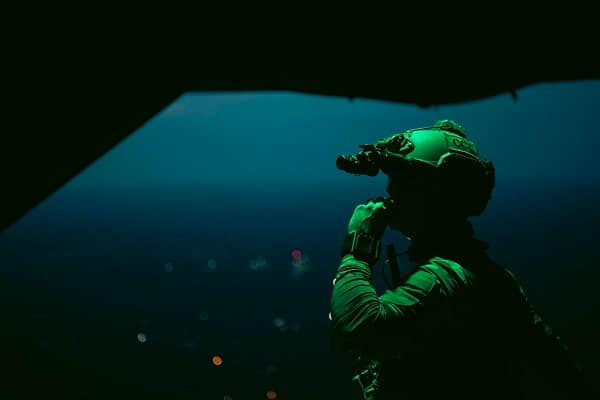
Soldiers from the 22 Special Air Service (SAS) Regiment are leaving the elite unit in significant numbers due to growing frustration over what insiders have described as “witch hunts” by human rights lawyers investigating historical operations.
Many sources have informed The Telegraph that personnel have submitted applications for premature voluntary release, with departures from the regiment described as significant and even considered a “threat to national security.”
At least two squadrons, identified as D and G, are reported to have suffered notable losses, though exact figures are withheld for security reasons.
The resignations are said to stem from discontent with ongoing war crimes investigations into operations in Afghanistan and Syria, as well as renewed scrutiny of historical cases linked to the Troubles in Northern Ireland. Within the regiment, some of these inquiries have been characterised as “witch hunts.”
Insiders indicate that the situation is exacerbated by concerns about the treatment of veteran SAS personnel involved in Northern Ireland operations. There are claims of persistent legal action based on allegations that, in some instances, judges have dismissed as “ludicrous”.
Among those who have reportedly left or submitted applications are senior warrant officers, who are considered vital to the regiment’s operational effectiveness. Several experienced soldiers are said to have acted “on principle,” with some resignations occurring shortly before Christ
One source with direct knowledge of the regiment described morale as “extremely poor,” while another noted “considerable disquiet” among serving personnel.
George Simm, a former regimental sergeant major of 22 SAS, said soldiers fear they could one day be visited by lawyers examining past operations.
Simm mentioned a “profound sense of betrayal” within parts of the unit and argued that legal frameworks, including the European Convention on Human Rights, are being applied to battlefield conditions in a way that places disproportionate emphasis on adversaries’ rights.
“If a soldier discharges their weapon, they are almost certainly going to get a knock on their door one day,” he said.
Lieutenant Colonel Richard Williams, a former commanding officer of 22 SAS, said the regiment is being affected by a combination of legal pressure and defence cuts, adding that it is “hardly surprising” that some personnel are choosing to leave.
This controversy comes amid broader discussions over proposed legislation concerning Northern Ireland legacy cases, which critics within the Armed Forces argue could expose veterans to renewed legal risks. Earlier this year, nine former military chiefs wrote to Sir Keir Starmer, warning that troops risk having to consider “not only the enemy in front of them but the lawyer behind them,” and cautioned that confidence in the legal system has been eroded.
Seven former SAS commanders also warned that Britain’s special forces risk being turned into “scapegoats,” arguing that the prolonged legal pursuit of veterans could undermine operational effectiveness and play into the hands of hostile states.
The Ministry of Defence stated it remains committed to ensuring that the legal framework governing the Armed Forces reflects “the practical realities of military operations” and that those who serve with honour are properly protected.
Over the past decade, the Army has significantly decreased in size, shrinking from more than 100,000 personnel in 2010 to just over 70,000 fully trained soldiers today, raising concerns about the retention of highly trained special forces personnel.


Leave a Comment