
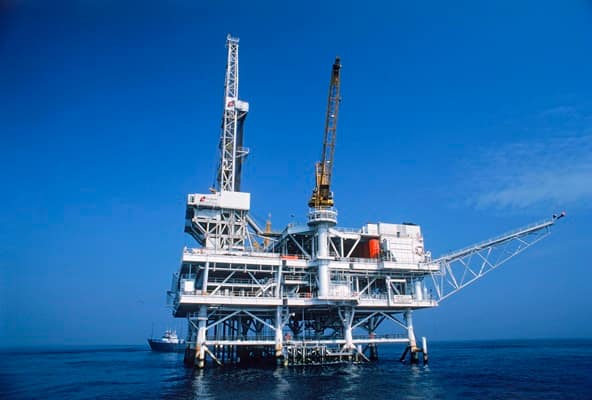
The Chancellor Rachel Reeves has thrown her support behind expanded oil and gas drilling in the North Sea, signalling a potential split at the top of Government over energy policy.
The Chancellor said she is “very happy” to endorse exploration at both the Rosebank oilfield and the Jackdaw gasfield, two of the most closely watched developments in the UK’s domestic energy sector.
Reeves told BBC Radio 2: “It would, of course, create jobs and tax revenue, and that is why we continue to support oil and gas for decades to come. We have now got the disruption in the Middle East and it’s hard to get the oil and gas out of the Strait of Hormuz, which is pushing up prices.”
Reeves said: “It does show that we have got to take control of our own energy supplies here in Britain.”
She added: “We said in our manifesto we would honour existing licences but the courts overturned the previous government’s decision.”
Her comments place her on a possible collision course with Ed Miliband, who is leading Labour’s net-zero agenda and is expected to make a final decision on whether licences for the projects will be approved.
The intervention comes at a critical moment, as the ongoing conflict in Iran continues to drive up global fuel prices, intensifying pressure on households and raising fresh concerns over the cost of living.
Supporters of new North Sea drilling argue that boosting domestic production could enhance the UK’s energy security and reduce reliance on volatile international markets. Reeves’s stance reflects growing concern within the Treasury over the economic impact of rising energy costs, particularly as inflationary pressures remain elevated.
However, critics warn that approving new oil and gas projects risks undermining the UK’s climate commitments and could create tensions within Labour’s broader strategy to transition towards renewable energy. Mr Miliband has previously emphasised the importance of accelerating the shift to clean energy, positioning it as central to long-term economic stability and environmental responsibility.
The debate highlights a widening fault line between short-term energy security and long-term climate goals, as policymakers grapple with the immediate fallout from geopolitical instability while attempting to maintain momentum towards net zero.
With a decision on Rosebank and Jackdaw expected soon, the Government faces a defining test of how it balances economic pressures against its environmental ambitions in an increasingly uncertain global landscape.


Leave a Comment