
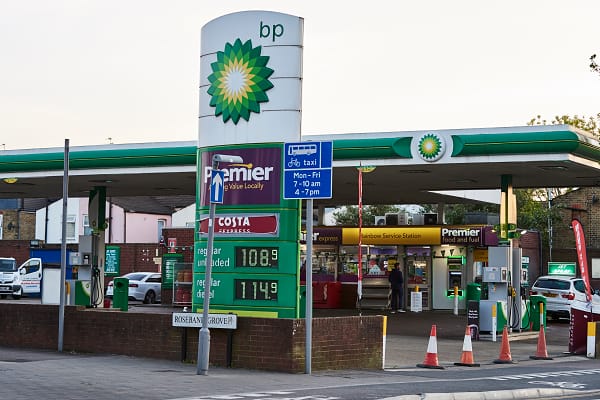
Britain is facing a sharp rise in fuel theft as soaring pump prices drive more motorists to leave forecourts without paying, with losses now estimated to exceed £100 million a year.
New figures suggest incidents of unpaid fuel have surged by nearly 30 per cent in recent weeks, as the cost of petrol and diesel continues to climb following the escalation of conflict involving Iran.
According to the RAC, diesel prices have risen by 48.6p per litre since late February, while petrol has increased by 25.1p per litre — adding fresh strain on household budgets and, increasingly, on fuel retailers.
Data from Forecourt Eye shows a 22 per cent jump in “no means of payment” (NMoP) cases, where motorists claim they are temporarily unable to pay, alongside a 6 per cent rise in outright drive-offs across a sample of 500 petrol stations, the Independent reported.
While NMoP cases are not automatically treated as criminal offences — drivers are required to settle their bill within seven days — industry groups warn the system is being widely abused.
The British Oil Security Syndicate (BOSS) says such incidents now account for around two-thirds of all forecourt fuel crime, making it the single biggest challenge facing operators.
Its debt recovery arm, Payment Watch, reported a 19 per cent increase in unpaid fuel, pushing the sector’s total annual losses beyond £100 million — a figure now surpassing levels seen in the aftermath of the Russian invasion of Ukraine.
Campaigners are urging forecourt staff to remain vigilant, particularly during peak trading hours, warning that some offenders enter shops to make small purchases while deliberately avoiding payment for fuel.
With energy markets still volatile and pump prices under pressure, industry experts warn the trend could worsen — leaving retailers to absorb growing losses as the cost-of-living squeeze deepens.
Claire Nichol, executive director at BOSS, said: “BOSS has seen reports of unpaid fuel jump 19 per cent during March. At current fuel costs, motorists deliberately evading paying for fuel is costing the forecourt sector more than £100m a year.
“We would urge forecourt operators to be extra vigilant during peak periods and be aware of customers entering a store, making small purchases and not paying for fuel.”


Leave a Comment