
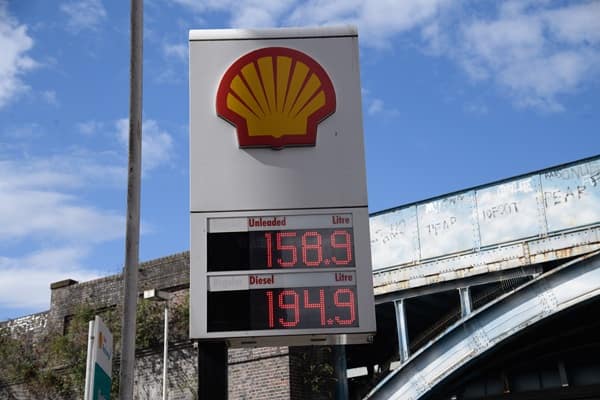
From today, Britain’s long-anticipated Fuel Finder Scheme enters full enforcement, marking a significant shift in how petrol and diesel prices are monitored and shared with motorists across the UK.
Under the new rules, forecourts must report fuel price changes to a central database within 30 minutes of any adjustment, enabling real-time tracking of prices through apps and comparison services such as Pumpwatch.
Ministers say the system is designed to increase transparency and competition in the forecourt market, allowing drivers to identify the cheapest fuel nearby instantly — particularly at a time when household budgets remain under pressure.
However, industry observers have warned that the scheme’s effectiveness will depend heavily on compliance, with concerns already emerging from its soft launch phase earlier this year. Data suggested that around one in four forecourts were not fully meeting reporting requirements ahead of today’s enforcement deadline.
From now on, regulators will be able to issue penalties for breaches, placing forecourts under formal obligation to ensure timely and accurate price updates.
The scheme is expected to face its first major test over the Bank Holiday weekend, when millions of motorists are forecast to take to the roads, increasing demand at petrol stations and placing added scrutiny on price transparency.
Motoring analysts have welcomed the principle behind the initiative but cautioned that it may not deliver immediate benefits for all drivers.
Experts at My Car Reg Check said the system would improve visibility of pricing differences but warned it would not eliminate wider market pressures affecting fuel costs.
They also noted that the success of the platform will depend on how consistently data is updated and whether smaller retailers have the systems in place to comply with the tight reporting window.
The introduction of near real-time pricing data represents one of the most significant interventions in the UK fuel retail market in recent years, effectively digitising price monitoring across thousands of sites.
However, with enforcement only now beginning, the coming weeks are likely to determine whether the scheme delivers the promised competitive pressure — or whether compliance gaps limit its impact on what drivers actually pay at the pump.
For motorists heading into a busy travel weekend, the promise is simple: clearer pricing, greater transparency, and the ability to shop around in real time. Whether that translates into meaningful savings remains to be seen.
A spokesperson from My Car Reg Check said: “Pumpwatch is a step in the right direction. It gives drivers far more visibility than they have ever had before, particularly when prices can vary dramatically within a few miles.
However, it is important to understand that transparency does not automatically mean fairness. There are still pricing patterns and behaviours that the system does not prevent, especially in high-demand or low-competition areas.
Drivers should see this as a tool, not a guarantee of the cheapest possible fuel.”
The 5 forecourt pricing tactics Pumpwatch does not stop
- Location-based pricing premiums
Motorway service stations and remote forecourts can still charge significantly more due to lack of competition. The system shows the price — but it does not regulate it. - Sudden price changes within the 30-minute window
Forecourts are required to update prices within 30 minutes, but in fast-moving periods this still leaves a gap where drivers may see one price online and another at the pump. - Local “fuel deserts”
In areas with only one or two nearby petrol stations, prices can remain consistently higher. Pumpwatch highlights this — but does not solve it. - Psychological pricing strategies
Minor fluctuations or coordinated local pricing patterns can still influence perception of value, even when all prices are visible. - Time-of-day pricing shifts
Prices can still rise ahead of peak travel times, such as Bank Holiday weekends, when demand increases.
How drivers should actually use Pumpwatch this weekend
According to My Car Reg Check, the biggest savings will come from how drivers use the data, not just having access to it.
“Drivers who benefit most from Pumpwatch are the ones planning ahead,” the spokesperson added.
“For a Bank Holiday journey, check prices before you leave, not when you are already on the motorway. The biggest price differences tend to appear between urban areas and motorway routes.
It is often worth filling up before joining major roads, even if the price difference looks small. Over a full tank, those few pence per litre add up quickly.”
The reality behind the “£40 a year saving”
While government estimates suggest the scheme could save drivers around £40 a year, experts say real-world savings will vary significantly.
“For drivers who already shop around, the difference may be minimal,” the spokesperson said.
“But for those who typically fill up out of convenience, particularly at motorway services, the potential savings could be much higher.
The key change is behavioural. The more drivers engage with the data, the more pressure it puts on pricing locally.”
A Bank Holiday test for fuel transparency
With increased road travel expected over the long weekend, today’s enforcement launch represents a key moment for the scheme.
Consumer conversations across forums, social media, and personal finance communities show a mix of optimism and scepticism, with many drivers waiting to see whether prices genuinely become more competitive.
“Today is less about instant savings and more about shifting control back towards drivers,” the spokesperson added.
“We are likely to see the biggest impact over time, as both consumers and forecourts adapt to a much more transparent market.”


Leave a Comment