
Energy markets trading downward today, with Light Crude Oil Futures (WTI) shedding 2.15% to trade at 91.87. In tandem, Brent Crude Futures declined by 1.82%, trading at 94.91.
This contraction in crude prices stems from widespread optimism surrounding a looming diplomatic breakthrough to conclude the Middle East conflict between Washington and Tehran. Nonetheless, emerging reports regarding the framework of the potential accord indicate significant vulnerability, mirroring past failed diplomatic rounds and raising the prospect of another sudden spike in energy costs.
According to details published by Axios, citing official sources, the actively negotiated pact outlines the reopening of the Strait of Hormuz, along with the removal of economic sanctions and restrictions on frozen Iranian funds. The proposed framework further mandates a cessation of hostilities with Iran as well as an end to the conflict between Israel and Lebanon. Regarding Tehran’s nuclear ambitions, Axios notes that the Islamic Republic has merely offered a verbal promise outlining the potential boundaries of concessions it might consider concerning enrichment suspension and surrendering nuclear materials.
Consequently, the current diplomatic momentum that is tempering oil prices appears to be little more than a preliminary framework for establishing future nuclear talks. Rather than locking in concrete, binding concessions, Tehran has simply provided a spoken pledge to continue discussions. Additionally, the parameters disclosed by Axios completely omit any restrictions on Iran’s ballistic missile capabilities, drone manufacturing, or regional proxy networks.
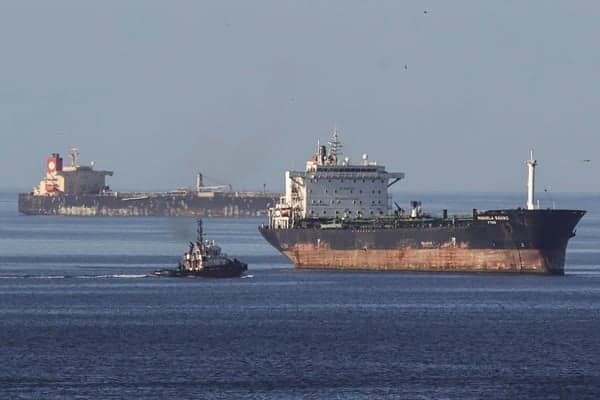
In the meantime, maritime transit through the Strait remains severely restricted in practice. Reports from the UKMTO and Reuters confirmed that a Greek-flagged crude carrier, the *Olympic Life*, endured an external blast near its waterline on Tuesday while navigating 60 nautical miles off the coast of Muscat, Oman. The vessel’s technical manager, Springfield Shipping, informed Reuters that although the tanker was struck by an unknown object, it remained stable and fully functional.
I’ve said in past pieces that any diplomatic resolution failing to explicitly mandate the decommissioning of Iran’s nuclear and ballistic missiles remains fundamentally hollow. Such an outcome compromises Israeli national security and signals a strategic retreat for Washington. Unsurprisingly, the current draft has drawn intense fire from congressional defense hawks, pro-war factions, and mainstream Democrats alike. Detractors view the arrangement as an American military capitulation that falls short of core geopolitical objectives, reducing the strategy to a revival of the Obama-era nuclear framework. Consequently, the administration’s approach has injected volatility into global energy channels while validating Tehran’s posture as a dominant regional power overseeing a fifth of global crude supplies.
To package this compromise as a triumph for domestic audiences, the Trump administration is vigorously lobbying to expand the Abraham Accords to include additional nations in a clear rebranding effort. However, injecting the Accords into the volatile context of upcoming Israeli elections introduces a convoluted layer of domestic political friction. As a result, accelerating this diplomatic track is unlikely to yield results right now, particularly since regional players currently show little appetite to join the initiative.
Given these underlying dynamics, the immediate outlook points to either a fresh outbreak of military conflict or a protracted continuation of the tense “no peace, no war” status quo. Such a deadlock would keep the vital maritime corridor blocked to major commercial tanker traffic, ultimately providing long-term structural support for higher crude prices.


Leave a Comment