
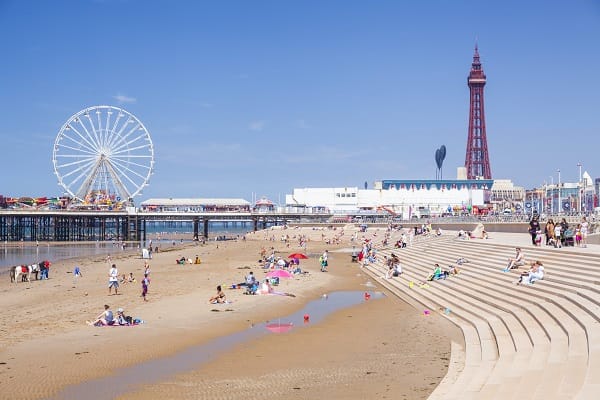
The British seaside holiday used to follow a strict calendar. Coastal towns in Cornwall, Devon and Norfolk saw a huge influx of tourists in July and August, followed by boarded-up shops and empty guest houses during the winter months. Things changed over the last few years as domestic travel patterns shifted permanently.
Domestic holidaymakers now travel throughout the year, which has forced local businesses to change how they operate. Property owners and hospitality brands had to adapt to this constant demand by upgrading their facilities and changing their marketing strategies. Read ahead to find out how these coastal areas adapted to a structural shift in British tourism.
The evolution of year-round coastal destinations
This new demand changed how accommodation is booked and managed. Holidaymakers look for high-quality, independent properties that offer a home-from-home experience instead of traditional hotels.
Many Britons today use specialist platforms like Beach Stays to find curated properties that match their needs. This shift benefits local economies because visitors spend money in pubs, restaurants and shops during months that used to be completely quiet.
As a result, towns like St Ives or Burnham Market don’t experience the dramatic winter slumps they once did. Instead of closing down in October, many coastal businesses now keep their doors open all year. This creates stable jobs for local residents and helps communities thrive outside the peak summer months.
Factors that drive winter tourism
Several factors explain why people choose to visit the coast during the colder months. Remote work gives employees more flexibility to travel outside standard holiday windows. It’s worth pointing out that a long weekend by the sea is now a realistic option for people who can work from a laptop.
Furthermore, the quality of British coastal accommodation has improved significantly. Properties now feature central heating, wood burners and hot tubs, which makes them attractive even in January. Here is a list of the main elements that modern holidaymakers look for when booking a winter trip:
- High-speed internet access for remote working.
- Wood-burning stoves or premium heating systems.
- Pet-friendly policies that allow dogs inside.
- Proximity to local pubs and restaurants that stay open all winter.
Investment opportunities in coastal property
This change in tourist behaviour offers clear benefits for property investors. In the past, holiday lets were high-risk because owners had to make their entire annual profit in just twelve weeks. Now, a well-positioned property can achieve decent occupancy rates over nine or ten months of the year. This makes the financial model much more predictable.
However, buyers must select their locations carefully instead of assuming every seaside town will deliver high returns. It’s important to look for destinations that have an active local community and good year-round infrastructure. Properties that sit close to popular walking trails or coastal paths tend to perform better during the off-season.
In a nutshell
The permanent shift towards year-round coastal staycations has redefined the UK hospitality industry. It has turned seasonal towns into resilient economies and opened up new avenues for property investment. While summer will always remain the busiest period, the winter months are no longer a write-off for coastal businesses.
Operators who adapt to these changing habits will continue to see steady growth. By focusing on high-quality amenities and targeting off-season travellers, the British hospitality sector can build a more sustainable future that lasts all year.



Leave a Comment