
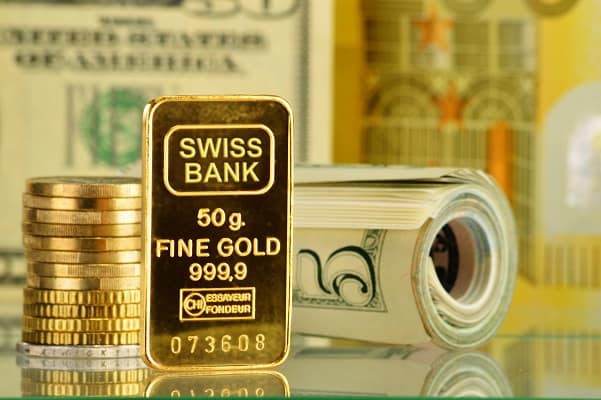
After nearly three years of consolidation within the 1,600-2,100 USD/oz range from early 2020 to early 2024, gold unexpectedly entered a strong breakout cycle after officially surpassing the 2,100 USD level, a threshold that the market had repeatedly failed to break in the past.
What is notable is that this breakout was not a random event. It was the intersection of several key fundamental factors, including macroeconomic and geopolitical uncertainty, strong central bank buying, and growing market confidence that interest rates had peaked at 5.25-5.50%.
Macroeconomic and geopolitical instability increased rapidly. From sovereign debt risks to persistent inflation and regional conflicts, all of these factors heightened safe-haven demand. Investment flows moved into gold as a reliable store of value.
Central bank demand surged significantly during 2022–2024, with total annual purchases exceeding 1,000 tonnes, the highest level in decades.
The market also began to believe that the Fed’s interest rates had peaked at 5.25-5.50%, the highest in more than two decades. Once expectations of a rate peak emerged, gold immediately benefited, as a downward interest rate cycle has always provided a supportive environment for assets like gold.
In 2025, the gold market performed exceptionally well, with prices rising nearly 60%, continuously setting new highs and reaching a temporary peak around 4,380 USD/oz before pulling back to approximately 4,190 USD/oz at the time of writing.
After an extended period of strong price appreciation, profit-taking became inevitable. In addition, expectations surrounding the Federal Reserve’s monetary policy shifted slightly. Although confidence in further rate cuts by the Fed remains, the signals they have communicated suggest a more gradual and cautious approach to easing. This has prevented interest rates from declining as sharply as previously anticipated, prompting investors to reprice the precious metal, especially after much of the optimism had already been priced in beforehand.
At present, the market faces an important question: is this decline in gold merely a re-accumulation phase before a new upward cycle, or is it a sign of distribution after years of impressive growth?
Several factors support the re-accumulation scenario: macroeconomic and geopolitical risks remain elevated, and may even be increasing; central banks continue to be net buyers of gold; and ETF inflows as well as retail investor interest remain positive.
Conversely, for the distribution scenario: current gold valuations are more than 150% higher than the average levels seen during 2015-2019; and 2025 has witnessed gains not seen in decades, a typical sign of the late stage of a long-term bull cycle. If the global economy stabilizes and interest rates reach their bottom, capital may rotate back into equities, corporate bonds, and other risk assets.
Therefore, the gold market has both sufficient foundation to maintain its long-term uptrend, while also presenting legitimate reasons to be cautious about the risk of a deeper correction.


Leave a Comment