
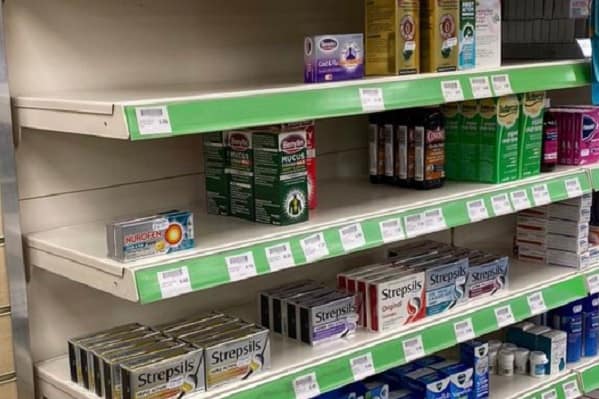
Britain is on the brink of a medicine crisis, with shortages of drugs ranging from painkillers to cancer treatments expected within weeks if the ongoing Middle East conflict continues, experts have warned.
Rising air freight costs and disrupted supply chains could soon put patients and the NHS under severe strain.
The US-Israel conflict with Iran has disrupted shipping through the Strait of Hormuz, a crucial artery for global oil and raw materials, and more than 20 ships have been attacked in the region.
Pharmaceutical companies have been forced to reroute supplies from airports in Dubai, Doha, and Abu Dhabi, often relying on slower sea freight.
Mark Samuels, chief executive of Medicines UK, which represents manufacturers of generic drugs making up 85% of NHS prescriptions, said: “We’re not in a crisis currently, but it’s still a serious situation.”
Distributors usually hold six to eight weeks of stock, while hospitals are required to keep eight weeks of stock, but ongoing disruptions could quickly exhaust supplies.
David Weeks, director of supply chain risk management at Moody’s, described the situation as “the perfect storm.” India, known as the “pharmacy of the world,” produces 60% of global generic medicines and a large share of active pharmaceutical ingredients (APIs). “With the geopolitical situation, it’s harder and harder to get those out,” he said.
Medicines that rely on air freight—including high-value cancer treatments, infectious disease therapies, biologics requiring cold storage, and drugs used in clinical trials—are most at risk. Air cargo volumes have dropped 80%, and freight costs have doubled, putting pressure on manufacturers already operating on slim margins.
A government spokesperson said: “There are currently no reported medicine shortages as a result of the conflict in the Middle East. We continue to monitor the situation closely and have processes in place to manage disruptions across the health and social care sector.”


Leave a Comment