
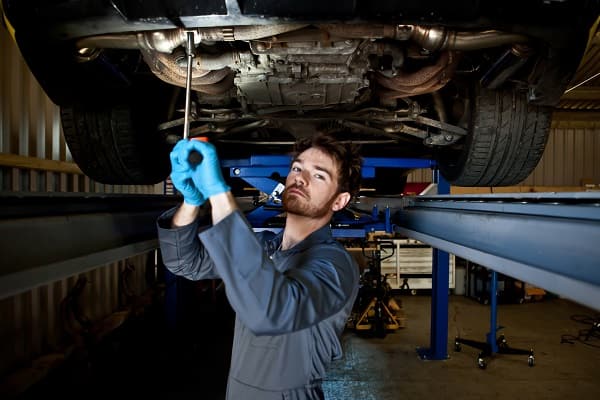
Owning an older car comes with its own set of challenges – and benefits. On the one hand, you’re not burdened with monthly payments or excessive depreciation. On the other, maintenance becomes increasingly important as vehicles age. One practical approach for many drivers is to buy used car parts when replacements are needed, helping them save money while keeping their cars roadworthy.
In this guide, we’ll explore how to maintain an older vehicle in a way that maximizes performance and minimizes costs – without cutting corners.
Why keep an older vehicle on the road?
Keeping an older vehicle running isn’t just about stretching every last kilometer out of your investment – it’s also about sustainability and smart budgeting. Repairing instead of replacing can:
- Reduce your environmental impact
- Save thousands compared to buying a new car
- Help you avoid higher insurance premiums
- Give you more control over your vehicle’s upkeep
With proper care, many vehicles can reliably serve for 250,000 km or more. It all comes down to strategy, attention, and timely intervention.
Common issues in aging cars – and how to fix them affordably
Older cars typically face wear-and-tear issues that, if caught early, can be fixed inexpensively. Here are some of the most common:
| Issue | Symptom | Recommended Action |
| Failing suspension | Rough ride, clunking sounds | Replace struts or shocks (used parts can be an option) |
| Electrical faults | Non-working lights, power windows | Replace fuses, switches, or wiring harnesses |
| Cooling system wear | Overheating, coolant leaks | Check hoses, radiator, water pump |
| Engine misfires | Rough idling, loss of power | Replace spark plugs, coils, or sensors |
In many of these cases, it’s entirely reasonable to buy used car parts if you’re sourcing from a trusted provider and know the compatibility of the component.
When used car parts make sense
Used parts aren’t just cheaper – they often come from well-maintained vehicles that have been written off due to accidents or unrelated failures. In some cases, you might even find OEM parts in better shape than certain aftermarket options.
Used parts are especially suitable for:
- Cosmetic components (mirrors, bumpers, door trims)
- Interior elements (seats, control panels, switches)
- Mechanical systems with longer life spans (alternators, AC compressors)
- Electronics like radios, ECUs, sensors – if properly tested
However, it’s best to avoid used parts when it comes to wear-heavy or safety-critical components such as brake pads, timing belts, or airbags.
How to extend vehicle life without overspending
Beyond replacing worn parts, here are key habits that help you squeeze more life out of your car:
1. Stick to a maintenance schedule
Don’t delay oil changes, brake inspections, or fluid flushes. Old vehicles are less forgiving of skipped maintenance.
2. Monitor warning signs
Check engine light on? Hear a new sound under the hood? Don’t ignore it. Early detection is the difference between a $30 sensor and a $1,000 repair.
3. Use quality replacements
Whenever you can, opt for OEM or high-quality used components. Cheap parts may cost less now, but lead to more frequent failures.
4. Keep it clean
Rust is the enemy of aging cars. Regular washing, especially under the chassis, can prevent corrosion that weakens your vehicle’s structure.
Buying used car parts: What to look for
If you choose to buy used car parts, here are a few tips to make sure you’re getting your money’s worth:
- Verify compatibility using part numbers or vehicle details
- Inspect visually (photos or in-person) for signs of wear, damage, or corrosion
- Ask about return policies or warranties, even if limited
- Check the source – prefer licensed dismantlers or reputable online platforms
- Prioritize tested parts, especially for electrical or electronic components
With the rise of specialized online platforms, finding reliable used parts has become easier than ever. You can search by vehicle model, year, and part type without visiting physical scrapyards.
Benefits of going the used route
Let’s take a quick look at the main advantages of using second-hand parts:
| Advantage | Description |
| Cost savings | Often 40–80% cheaper than new parts |
| Environmental impact | Reduces manufacturing and waste |
| OEM availability | Access to original manufacturer parts |
| Faster sourcing | Immediate availability for rare or discontinued models |
If you’re repairing a vehicle that’s more than 10 years old, spending hundreds on a brand-new part may not make financial sense. Used parts bridge the gap between quality and cost.
Final thoughts
Maintaining an older car can be incredibly rewarding – both financially and environmentally. With regular care, smart repair decisions, and the choice to buy used car parts from reliable sources, you can keep your vehicle running strong without draining your budget.
In the end, it’s about making informed choices and treating your car as an investment worth preserving. Whether you’re a daily commuter, weekend adventurer, or someone who just loves their current ride, there’s no reason your car can’t keep going for years to come.



Leave a Comment