
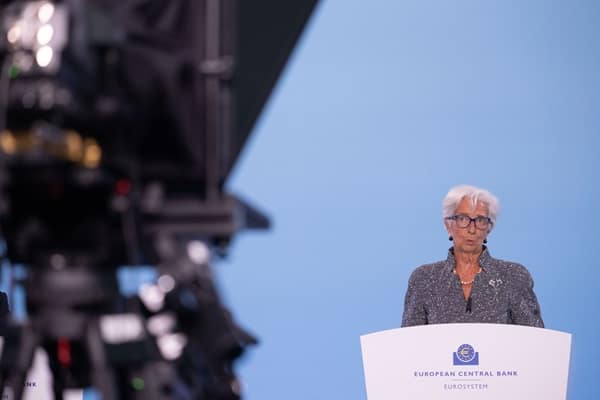
The ECB’s decision to maintain interest rates at 2% signals the end of the aggressive rate-cutting strategy followed over the last year.
We may see one more cut later this year, but the ECB is waiting to see if the threatened imposition of US tariffs of 30% on EU goods from 1st August can be avoided.
This is a sensible approach. If a US-EU trade deal isn’t reached beforehand, the ECB may look at cutting rates again in September to counter-act the barriers to economic growth that tariffs will impose.
Nonetheless, we have now (almost) reached the ECB’s terminal rate. Despite a continuing need to reignite the Eurozone economy, rate cuts beyond 1.75% are very unlikely — geopolitical volatility, global economic tension, and inflationary pressures all have the potential to destabilise the European and global economies and will deter the Bank taking rates much lower.
The near and below zero rates that defined over a decade of European monetary policy following the Global Financial Crisis may have been deemed necessary at that time but are not where the ECB will look to return to in today’s economic climate.
Despite forecasts for European growth remaining low, albeit slightly more promising than earlier in the year, strong wage growth and low unemployment, combined with higher inflation than the 2010s, means that Europe faces an entirely different economic environment where the emergency monetary policies of near-zero rates are not the answer — the economy might not be growing at any great pace, but it is at least relatively stable.


Leave a Comment