
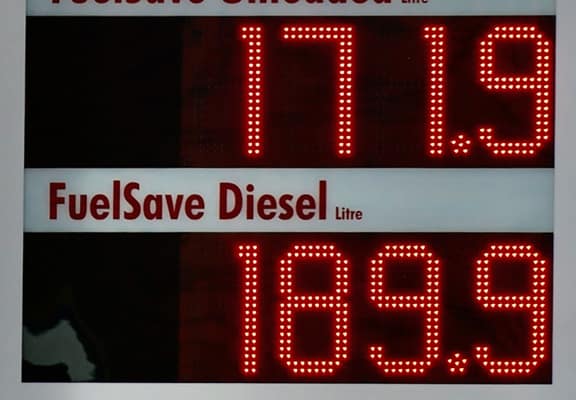
A sharp fall in global oil prices has failed to translate into meaningful savings for UK motorists, reigniting scrutiny over the gap between wholesale costs and forecourt prices.
Brent crude has fallen 23 per cent over the past eight weeks, yet wholesale petrol prices have declined by only 7 per cent. Pump prices have dropped by just 2 per cent over the same period, while retailer margins have increased by 11 per cent.
The pattern has been similar for diesel. Wholesale prices have fallen 14 per cent, but forecourt prices have eased by only 7 per cent as retail profits have risen by 8 per cent.
The divergence has become even more pronounced in recent days. Since June 6, Brent crude has dropped a further 11 per cent, while wholesale petrol prices have fallen only 3 per cent and pump prices just 1 per cent. Diesel wholesale costs have fallen 10 per cent, but motorists have seen little movement at the pumps, with retail margins rising by 19 per cent.
The figures have raised questions over how quickly falling energy costs are passed through to consumers, particularly at a time when households remain under pressure from higher living costs.
Fuel retailers argue that pump prices reflect more than crude oil, including refining costs, distribution, taxation and operating expenses. However, consumer groups have long called for greater transparency when wholesale prices fall but savings appear slow to reach drivers.
With oil markets weakening, the pressure is now on the UK fuel industry to explain why motorists are seeing only a fraction of the benefit from the global decline in crude prices.
Howard Cox said: “FairFuelUK and its 1.8 million supporters call on the Government to implement a PumpWatch with teeth.
With the Straits of Hormuz opening and an Iran deal on the cards, oil prices have fallen by 11% in just 4 days, yet pump prices have fallen at a snail’s pace, by just 1%, even though wholesale costs have dropped significantly.
“The fuel supply chain is again holding back on passing on wholesale price cuts to drivers.
“The Government has collected over £750 million in additional VAT since the start of the Iran Conflict, whilst drivers have had to pay an extra £4 billion to fill up. Over 40 countries have helped their motorists with fiscal measures to ease the pain of rocketing pump prices.
“Rachel Reeves did nothing and continues to allow opportunistic profiteering in the fuel supply chain. Her amoebic approach to any signs of a sensible economic growth strategy, which should put the motorist at the heart of boosting the economy, continues at her usual ignorant pace.”


Leave a Comment