
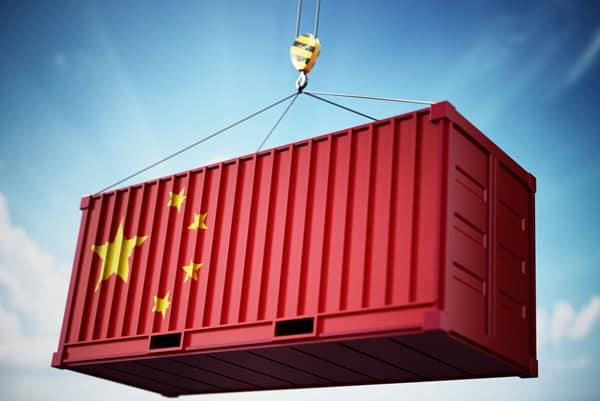
The rare earths market remains dominated by Chinese production and refining capacity, leaving Beijing in control of most of the supply chain.
Beijing continues to wield this edge to its advantage in international relations as global demand for REEs keeps growing.
China’s restrictions continue to ripple through global supply chains. In the United States, samarium stocks are limited, increasing pressure to ramp up production from other sources.
In Japan, shortages of certain heavy elements used in permanent magnets are affecting a growing number of industrial and technology manufacturers, a sign that supply constraints are beginning to spread throughout the entire production chain.
At the same time, China is moving to reinforce its dominant position.
The creation of a new state-owned investment vehicle designed to support international acquisitions and mining projects could help the country maintain its edge as it seeks to further consolidate its influence over the global critical minerals supply chain.
China’s dominance underscores the importance of mining and refining projects elsewhere in the world. Alternative sources strengthen and help secure Western companies’ supply chains, particularly for critical industries including defense, semiconductors, electric vehicles, and batteries. In this sense, projects such as Tanbreez in Greenland continue to support global supply chain independence and resilience.


Leave a Comment