
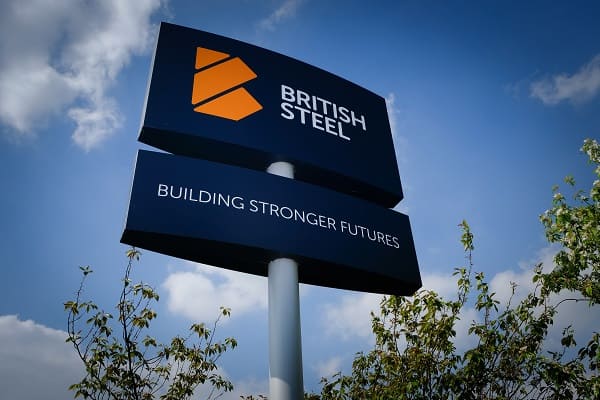
The nationalisation of British Steel has triggered a fresh dispute between London and Beijing, with the Chinese former owner of the company demanding compensation from UK taxpayers and warning the move could damage Britain’s reputation among international investors.
Jingye, which owned the Scunthorpe-based steelmaker before the Government took operational control, said it had begun procedures under UK-China investment agreements and would consider international arbitration over the transfer of ownership.
The company accused the UK of ignoring its investment and contribution to British Steel, arguing that the Government had offered “almost zero compensation” despite years of financial support.
In a statement published on Chinese social media platform WeChat, Jingye said the decision had harmed Britain’s credibility as an investment destination and called on ministers to stop undermining international investment protections.
The dispute follows the Government’s decision to bring British Steel into public ownership after Jingye threatened to close the company’s blast furnaces at Scunthorpe. The site contains Britain’s last remaining facilities capable of producing virgin steel, making it strategically significant for national infrastructure and defence supply chains.
The Department for Business and Trade said an independent assessment would determine any compensation owed to Jingye.
The confrontation has also drawn criticism from Beijing. China’s foreign ministry said it was “strongly dissatisfied” with the takeover and urged Britain to respect market principles and contractual obligations.
The dispute highlights the growing tension between economic security and foreign investment rules. Governments across Western economies have increasingly intervened in strategic industries considered vital to national resilience, but such moves risk legal challenges and diplomatic friction.
The nationalisation has received support across parts of the political spectrum, with critics of the previous ownership model arguing that Britain cannot afford to lose domestic steelmaking capability.
Richard Tice, who had campaigned for public ownership of British Steel, said the move was necessary to protect the country’s industrial base, but warned that substantial investment would still be required to modernise the plant.
Prime Minister Sir Keir Starmer defended the decision, saying British Steel was “part of the fabric of our nation” and that government intervention would protect skilled jobs and safeguard a critical industrial capability.
The takeover became law after the Steel Industry (Nationalisation) Act 2026 received royal assent, granting ministers powers to transfer steel businesses and assets into state ownership.
The immediate political victory for the Government may now become a longer-term legal and diplomatic test as Jingye challenges the terms of Britain’s industrial intervention.


Leave a Comment